


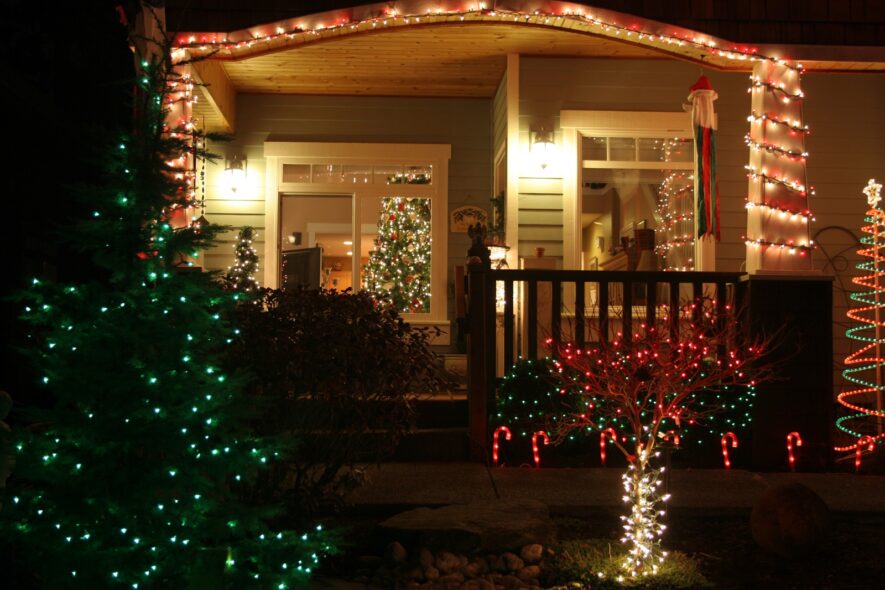
Holiday Lights Tripping Your Breaker? How to Add a Safe Outdoor Circuit
Christmas lights trip a breaker for one of three reasons: too many watts on the circuit, moisture at an outdoor connection or a shared circuit that also feeds a freezer or another appliance. The lasting fix is a dedicated, GFCI-protected outdoor circuit, which our team adds through circuit installation and upgrades across Dallas-Fort Worth. We…
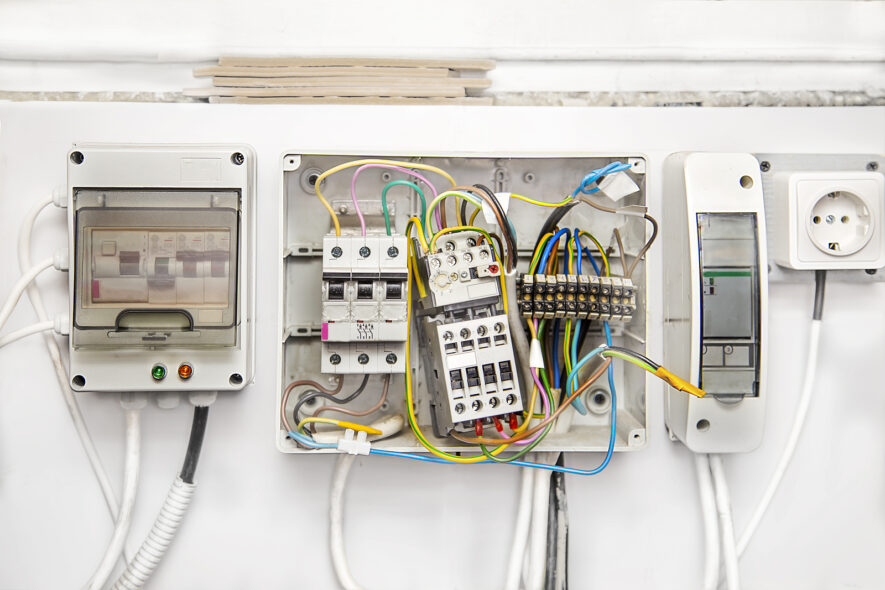
Breaker Panel Repair or Replacement? How DFW Electricians Make the Call
Repair a breaker panel when one part has failed and the rest is sound, and replace it when heat damage, corrosion, unavailable breakers or a lack of capacity make the panel itself the problem. Our team inspects the panel and the load first, then handles either path through panel and breaker replacement across Dallas-Fort Worth….
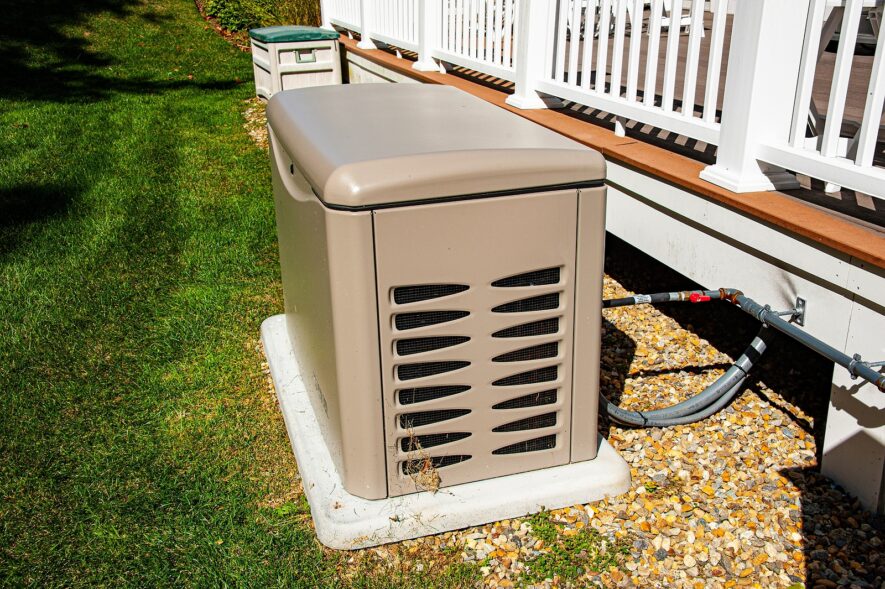
Can a Texas HOA Block Your Standby Generator? What Property Code 202.019 Says
Generally, no: Texas Property Code Section 202.019 bars an HOA from prohibiting a permanently installed standby generator that meets the statute’s definition, but the association can still regulate how you install and operate it. Our team plans and installs these systems through residential generator installation across Dallas-Fort Worth, so the equipment, location and permits fit…
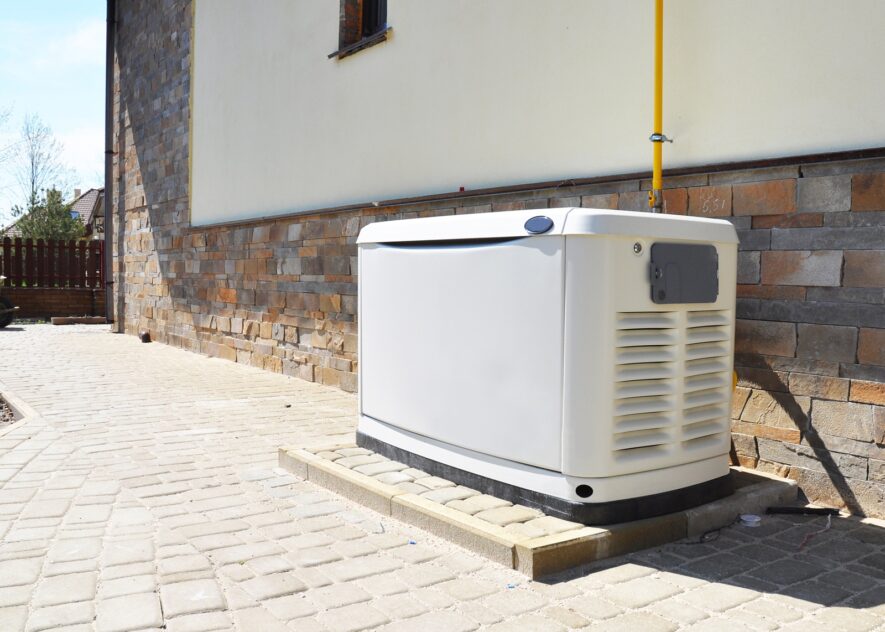
Does Your Texas Business Need a Backup Generator? Emergency vs Optional Power
Whether a Texas business needs a backup generator depends on two questions: does a code require backup power for specific systems in your building, and what would an outage do to your operations. Codes require emergency or legally required standby power for life safety and fire protection systems, and every other backup power need is…
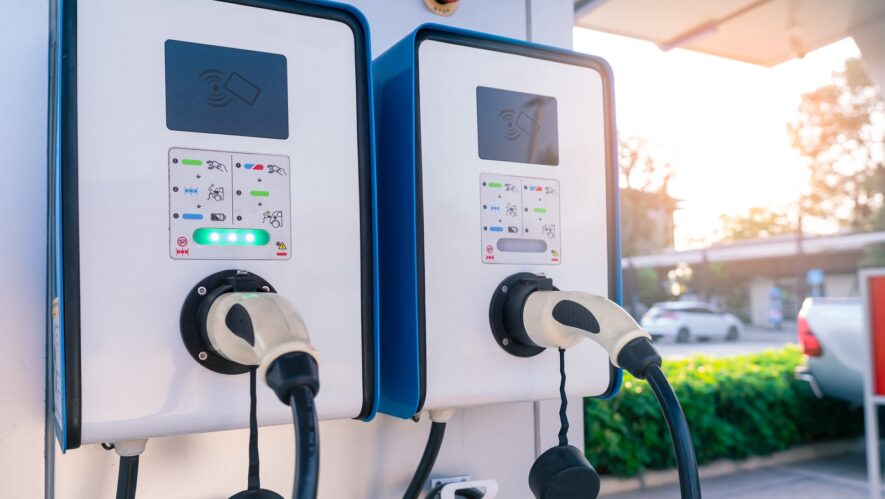
Is Your EV Charging Slower in the Texas Heat? Here’s What’s Actually Happening
Extreme heat can genuinely slow electric vehicle charging, and it is not your imagination. The battery management system in every modern EV actively limits how much current it accepts when the battery pack runs hotter than its ideal operating range, which protects the battery from accelerated degradation but does reduce charging speed in the process….

Home Inspector Flagged Your Wiring? What “Does Not Meet Code” Actually Means
A wiring finding on a home inspection report is one of the most common items buyers and sellers see, and the phrase “does not meet code” sounds far more alarming than what it usually describes. Electrical code operates on a principle called grandfathering: an existing installation generally does not need to be brought up to…

Why Some DFW Living Rooms Have No Ceiling Light at All, and What to Do About It
If your living room has a wall switch that controls only one half of an outlet instead of a ceiling fixture, nothing was done wrong when your DFW home was built. This is a deliberate, code-compliant construction practice that became common after the National Electrical Code added a provision in the mid-1970s allowing a switched…
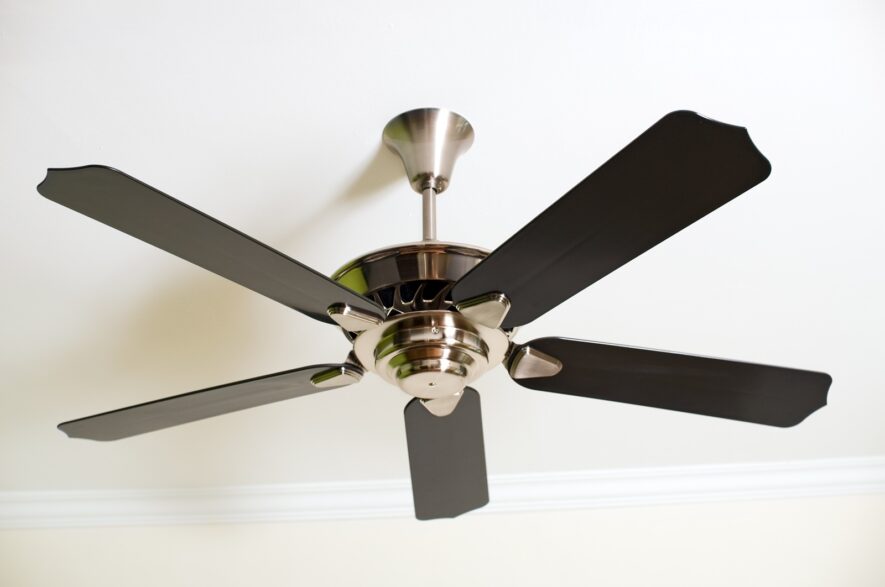
Ceiling Fan Remote Not Working? What to Check Before You Call an Electrician
A ceiling fan remote that stops working rarely means the fan itself has failed. Most fan remotes communicate with a small receiver mounted inside the fan’s canopy or motor housing using either a set of physical dip switches that must match on both devices, or a digital pairing sequence that can be lost after a…
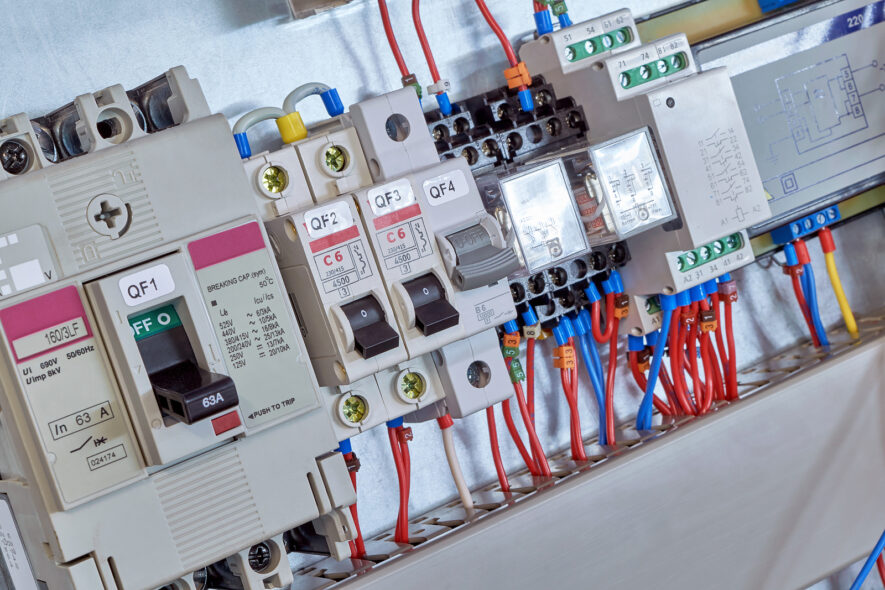
Circuit Breaker Trips Immediately Every Time You Reset It: What That Means
A circuit breaker that trips immediately every time you reset it is communicating something very specific: there is a hard fault somewhere on the circuit that is drawing enough current to trip the breaker the moment power is restored. This is fundamentally different from a breaker that trips after sustained high load or trips occasionally…
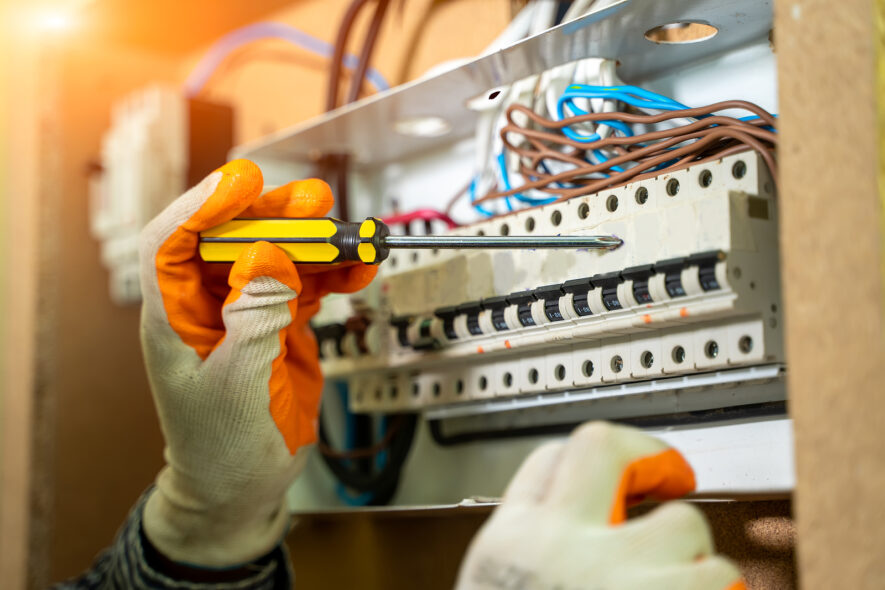
Burning Smell From Your Electrical Panel: What It Means and What to Do Today
A burning smell from your electrical panel is not a situation that can wait until a convenient time. It is always a sign that heat is developing inside the panel beyond what the system was designed to produce, whether from a failing breaker, a loose connection arcing, overloaded wiring, or melting insulation. In every case,…