



Home Inspector Flagged Your Wiring? What “Does Not Meet Code” Actually Means
A wiring finding on a home inspection report is one of the most common items buyers and sellers see, and the phrase “does not meet code” sounds far more alarming than what it usually describes. Electrical code operates on a principle called grandfathering: an existing installation generally does not need to be brought up to…
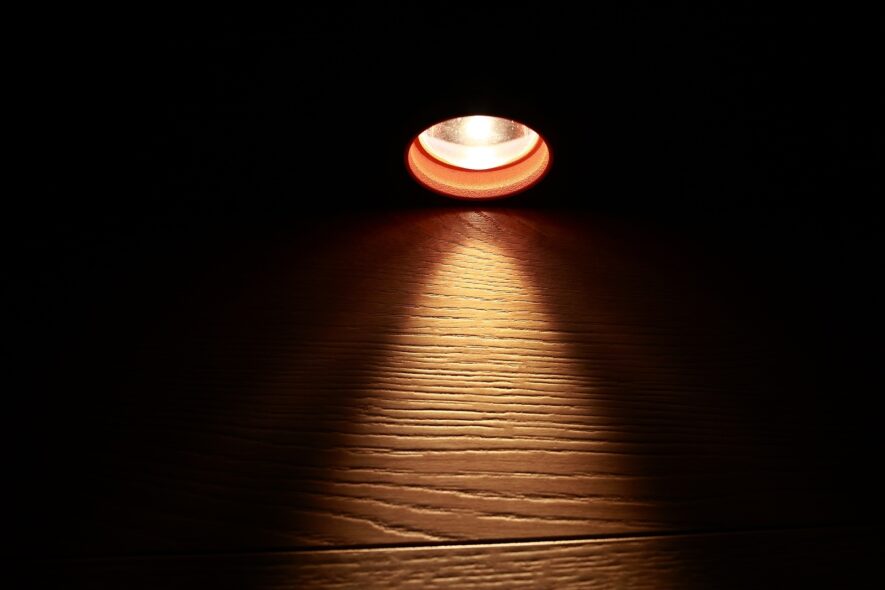
Why Some DFW Living Rooms Have No Ceiling Light at All, and What to Do About It
If your living room has a wall switch that controls only one half of an outlet instead of a ceiling fixture, nothing was done wrong when your DFW home was built. This is a deliberate, code-compliant construction practice that became common after the National Electrical Code added a provision in the mid-1970s allowing a switched…
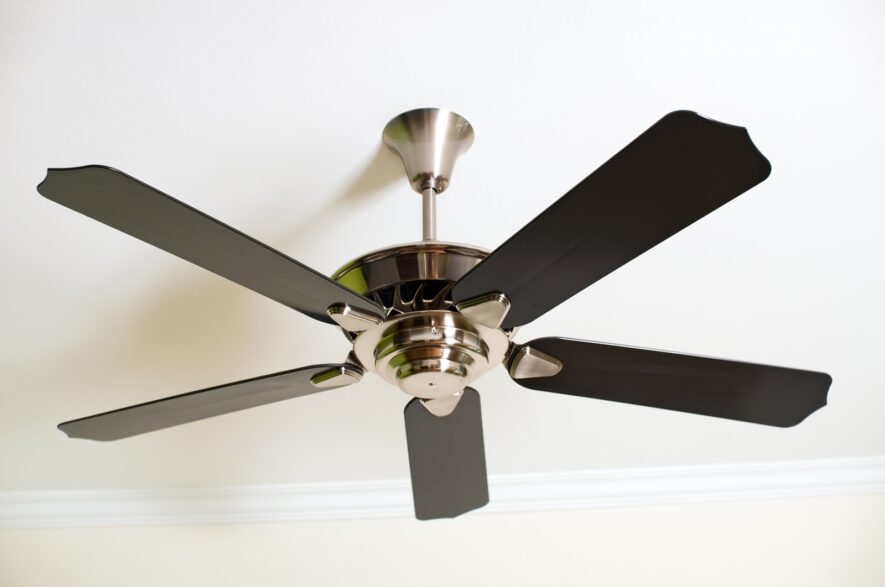
Ceiling Fan Remote Not Working? What to Check Before You Call an Electrician
A ceiling fan remote that stops working rarely means the fan itself has failed. Most fan remotes communicate with a small receiver mounted inside the fan’s canopy or motor housing using either a set of physical dip switches that must match on both devices, or a digital pairing sequence that can be lost after a…
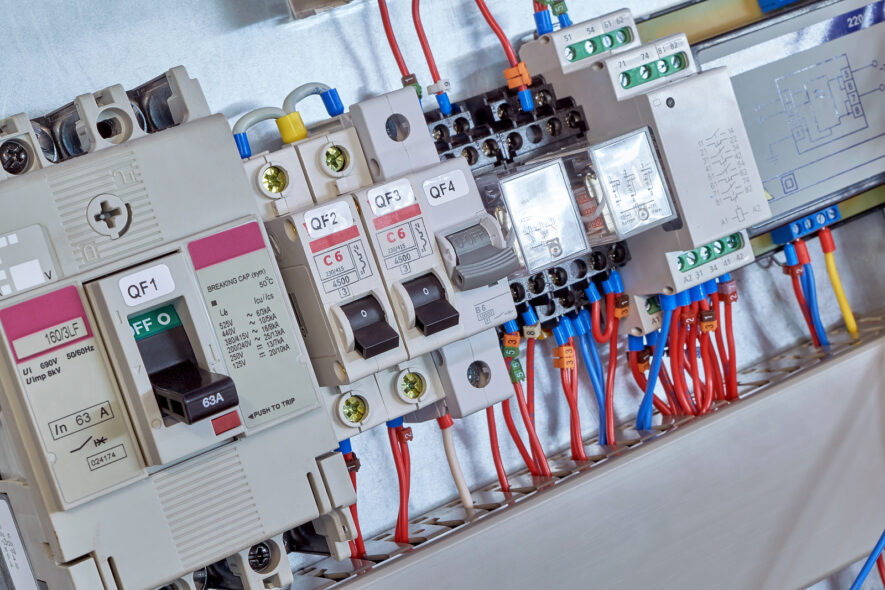
Circuit Breaker Trips Immediately Every Time You Reset It: What That Means
A circuit breaker that trips immediately every time you reset it is communicating something very specific: there is a hard fault somewhere on the circuit that is drawing enough current to trip the breaker the moment power is restored. This is fundamentally different from a breaker that trips after sustained high load or trips occasionally…

Burning Smell From Your Electrical Panel: What It Means and What to Do Today
A burning smell from your electrical panel is not a situation that can wait until a convenient time. It is always a sign that heat is developing inside the panel beyond what the system was designed to produce, whether from a failing breaker, a loose connection arcing, overloaded wiring, or melting insulation. In every case,…
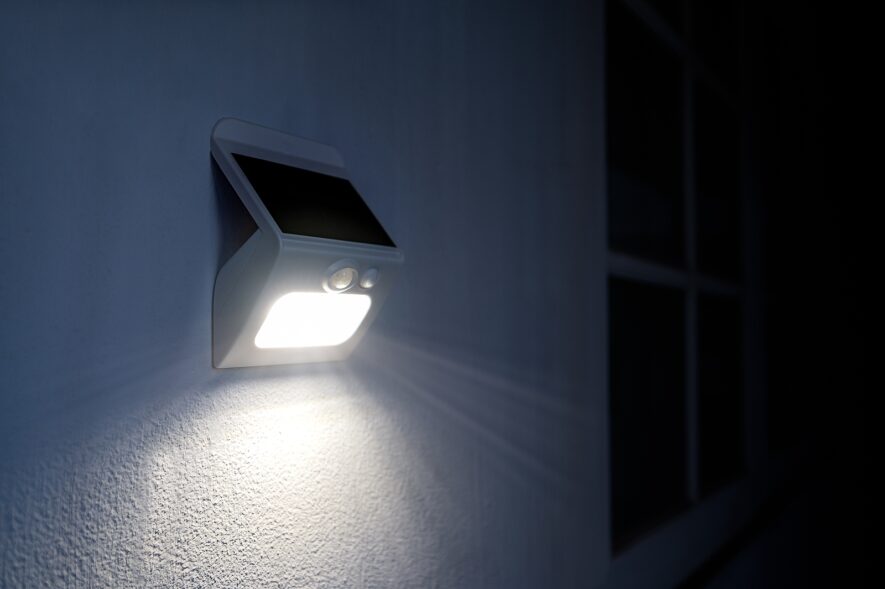
Why LED Bulbs Are Burning Out Fast in Your DFW Home: What Is Really Happening
LED bulbs are marketed as lasting 15,000 to 50,000 hours, yet some homeowners in the Dallas-Fort Worth area replace the same fixture’s bulbs every few months. The lifespan claims on packaging are based on controlled laboratory conditions at moderate ambient temperatures with proper ventilation. In the real-world conditions inside DFW homes, particularly during August when…
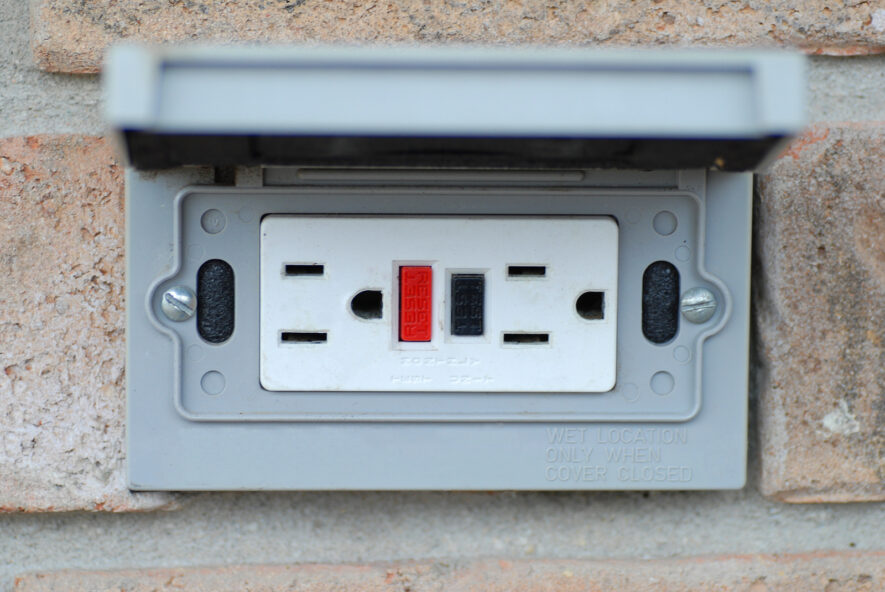
Why Your Bathroom or Kitchen GFCI Outlet Keeps Tripping for No Apparent Reason
A GFCI outlet that trips repeatedly is not malfunctioning. It is detecting exactly what it was designed to detect: an imbalance in electrical current that signals a ground fault somewhere on the circuit. When a GFCI trips in your kitchen or bathroom and the reset immediately pops back out, or when it trips again minutes…

What ERCOT’s 2026 Peak Demand Forecast Means for DFW Business Power Planning
The Electric Reliability Council of Texas has published a 2026 summer forecast predicting peak demand of 92.2 gigawatts, which would break the grid’s all-time record of 85.5 gigawatts set in August 2023. For business owners in Fort Worth, Arlington, Irving, and the broader DFW metro, this number is not an abstract grid statistic. It has…
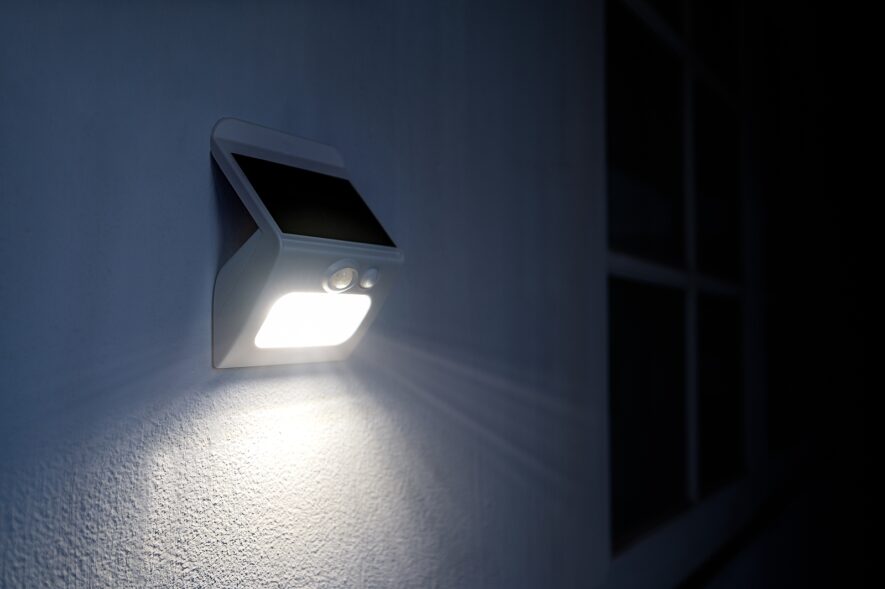
Why Does My Pool Light Keep Flickering or Going Dark During Summer in Texas?
A pool light that flickers, dims, or goes completely dark during summer typically has one of four causes: water has entered the fixture housing through a degraded gasket, the GFCI protecting the circuit has tripped (sometimes silently), a loose or corroded connection has developed at the fixture or in the conduit, or the light itself…
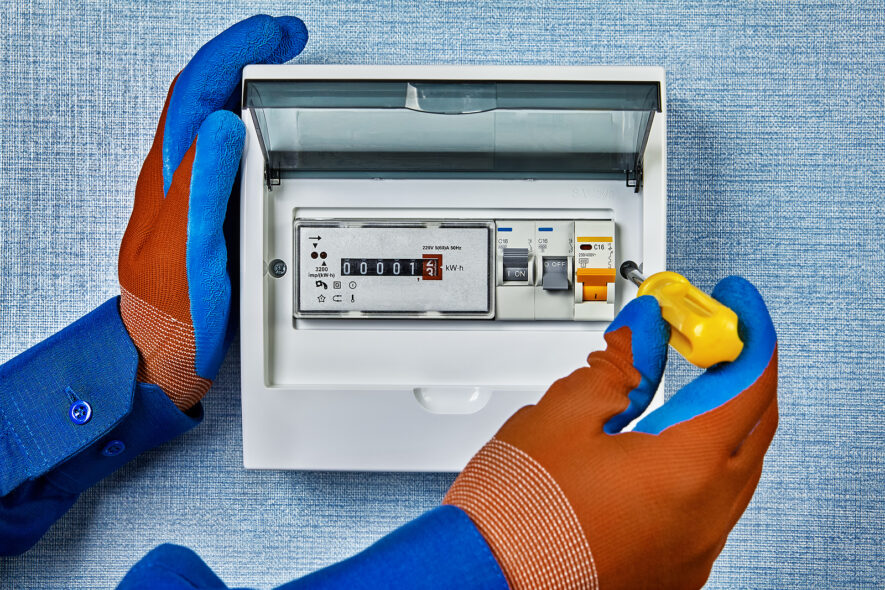
Hot Tub GFCI Trips Every Time You Turn It On: Why and What to Do in DFW
A hot tub or spa GFCI that trips every time the unit powers on is not a nuisance problem to reset and ignore. It is the GFCI doing exactly what it was designed to do: detecting that electrical current is leaking somewhere it should not and cutting power to prevent a shock hazard. The trip…