


Why Garage Workshops Often Need New Circuit Installation Before Equipment Use
A garage can do a lot more than store a car. Many homeowners use that space for woodworking, car projects, home repairs, hobby work, tool storage, and even small business tasks. A garage workshop can become one of the hardest-working parts of the property. The problem is that many garages were never wired for that kind of use.
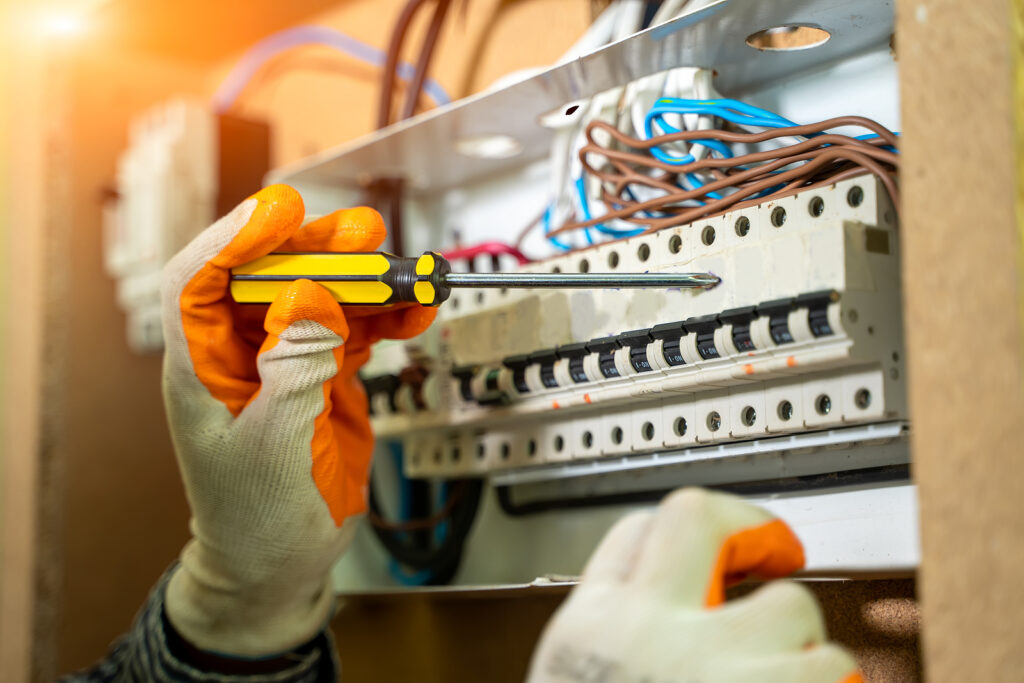
A basic garage electrical setup may be enough for a garage door opener, a few lights, and one or two small devices. That setup usually falls short once power tools, air compressors, battery chargers, freezers, shop vacs, welders, or task lighting enter the picture. A workshop places a very different kind of demand on the electrical system. That is why new circuit installation often becomes necessary before equipment use begins.
Homeowners across Dallas, Fort Worth, Haltom City, TX and surrounding areas often discover this after breakers start tripping or lights dim every time a tool turns on. Those warning signs matter. They suggest the garage no longer has enough dedicated electrical support for the way the space is being used. This article explains why garage workshops often need new circuits, what problems old circuits create, and how proper electrical planning makes the space safer and more useful.
Garage Workshops Draw More Power Than Standard Garage Setups
A standard garage usually starts with a limited electrical load in mind. Builders may install a lighting circuit, one or two wall outlets, and a garage door opener outlet. That setup works fine until the garage becomes a workshop.
Workshops often use equipment such as:
- table saws
- miter saws
- air compressors
- sanders
- shop vacs
- battery charging stations
- task lights
- mini split systems
- welders
- bench grinders
- refrigerators or freezers
These devices can pull much more power than a typical garage circuit was meant to handle. Some equipment creates a strong startup draw the moment the motor kicks on. Even when the tool only runs for a short time, that startup demand can stress the circuit hard enough to trip the breaker or cause voltage drop.
A dedicated circuit gives that equipment the electrical support it needs without competing with lights, outlets, or nearby rooms.
Breaker Trips Are Often The First Warning Sign
One of the most common signs that a garage workshop needs a new circuit is repeated breaker trips. A breaker trips to protect the wiring from overheating. It does not trip to annoy you. It trips because something about the load is unsafe.
In a garage workshop, this often happens when:
- a saw starts while lights and chargers already run
- a shop vac and power tool run together
- a compressor cycles on while another device is plugged in
- a freezer shares the same circuit as workshop tools
- extension cords and power strips add more devices to one outlet
Many homeowners assume the breaker itself is the problem. Sometimes it is worn out, but the bigger issue is often circuit overload. The existing circuit simply cannot handle how the garage now gets used.
A new circuit reduces that load by separating equipment onto safer electrical paths.
Voltage Drop Can Hurt Tool Performance
Breaker trips are not the only issue. Some garages never trip a breaker, but the tools still struggle. Lights may dim when equipment starts. Motors may sound weak. Chargers may work slowly. These signs often point to voltage drop.
Voltage drop happens when the electrical system cannot deliver steady power to the equipment under load. That can happen because:
- the circuit serves too many outlets
- the wire run is long
- the existing wiring is undersized
- high-demand equipment shares the circuit with other devices
A garage workshop depends on consistent power. Tools often perform best when they receive the voltage they were designed for. Poor power delivery can reduce efficiency and increase wear on motors and electronics. New circuit installation helps fix this by providing shorter, properly sized, dedicated electrical runs for the equipment that needs them most.
Shared Circuits Create Hidden Risks
Many garage outlets share a circuit with another room, exterior outlet, or indoor space. Homeowners often do not realize this until something stops working elsewhere when a garage breaker trips. This shared setup creates problems in a workshop environment.
Examples include:
- garage outlets tied to laundry circuits
- garage lights sharing with hall or utility room lights
- outdoor outlets sharing with garage workbench outlets
- freezer and tool use on the same circuit
This creates two major problems. First, it limits how much equipment the garage can safely support. Second, it spreads the impact of any overload beyond the garage. A single overloaded circuit can interrupt lighting or power in multiple parts of the home.
A properly designed workshop should not depend on random shared circuits. It should have intentional electrical planning based on how the space actually functions.
Dedicated Circuits Improve Safety
Safety matters in any workspace, but especially in a garage. Garages often combine concrete floors, metal tools, extension cords, dust, moisture exposure, and heavy equipment. That environment puts more pressure on the electrical system than a normal room.
Dedicated circuits improve safety because they:
- reduce overload risk
- lower heat buildup in wiring
- reduce nuisance breaker trips
- improve tool startup performance
- support correct outlet placement
- reduce extension cord dependence
This matters because overloaded circuits can overheat silently inside walls. You may only notice the problem when the breaker trips, or worse, when an outlet smells hot. New circuit installation reduces that risk by giving the workshop the electrical support it actually needs.
Workshop Lighting Often Needs Its Own Circuit Too
People often focus on tools and forget about lighting. Good lighting matters in a garage workshop. Precision work, cutting, sanding, wiring, and repairs all depend on clear visibility. Poor lighting leads to mistakes and safety issues.
The problem is that many garage lights sit on the same circuit as the outlets. That means when a heavy tool trips the breaker, the room goes dark. In a workshop, that can be dangerous.
A better setup often includes:
- a lighting circuit separate from tool circuits
- dedicated task lighting over benches
- LED lighting upgrades for clearer visibility
- improved switch placement for work zones
New circuit installation does not just support equipment. It also helps maintain reliable lighting while tools operate.
Some Garage Equipment Needs More Than Standard 120V Support
Not every tool runs on a standard household outlet. Some workshop equipment needs more power and may require 240V service. This often applies to:
- larger air compressors
- welders
- certain woodworking machines
- specialty garage equipment
- some mini split HVAC systems
These tools cannot simply plug into an ordinary garage outlet safely. They may need a dedicated 240V circuit with the correct breaker, wire size, and receptacle type. Trying to improvise with adapters or the wrong outlet creates major safety concerns.
An electrician can determine whether the garage panel has room and capacity for these additions, then install the correct circuit for safe operation.
Garage Workshops Often Grow Over Time
A lot of garage workshops start small. A homeowner may begin with one workbench, a drill, and a charger. Over time, the space expands. More tools get added. Better lighting goes in. A freezer gets moved out there. A mini split gets installed. Soon the electrical system supports far more than the original garage design ever intended.
That gradual growth is one reason garage circuits become overloaded without homeowners noticing at first. Each new device seems manageable on its own. Together, they push the system too far.
A new circuit plan helps match the electrical system to the workshop’s real purpose, not the garage’s original builder-grade design.
Extension Cords And Power Strips Should Not Carry A Workshop
Many overloaded garages rely on extension cords and power strips to make the setup work. That may feel convenient, but it often creates more problems than it solves.
In a garage workshop, extension cords can:
- overheat under heavy tool load
- create tripping hazards
- reduce tool performance
- tempt users to run too many devices from one outlet
- wear out faster in harsh environments
A garage workshop should have enough outlets placed where work happens. New circuit installation allows electricians to add outlets in practical locations and divide the electrical load properly. That makes the space easier to use and much safer.
What Electricians Check Before Installing New Garage Circuits
A professional circuit installation starts with evaluating how the workshop will actually be used. Electricians do not guess. They assess the space and match the electrical setup to the intended equipment.
This usually includes checking:
- current panel capacity
- available breaker space
- existing garage circuit layout
- total load from tools and equipment
- wire length and proper sizing
- lighting needs
- outlet locations
- whether 120V or 240V circuits are needed
- GFCI protection requirements
This planning helps prevent future overloads and supports safe, dependable garage use.
New Circuit Installation Helps The Garage Function Better
A garage workshop should make projects easier, not create constant electrical frustration. A properly wired workshop gives you:
- stable power for tools
- fewer breaker trips
- brighter, uninterrupted lighting
- safer outlet access
- room to grow the space later
- less strain on the rest of the home’s electrical system
This kind of improvement adds real function to the property. It makes the garage more useful, more comfortable, and much safer for regular work.
When To Call For Help
Some homeowners wait until a breaker trips several times or an outlet smells warm before calling an electrician. It is better to act earlier. A garage workshop likely needs new circuit installation if:
- the breaker trips during tool use
- lights dim when equipment starts
- cords run everywhere
- a freezer shares power with tools
- you plan to add larger equipment
- the garage only has a few outlets
- you want better lighting and safer work conditions
A licensed electrician can inspect the current setup and recommend a safer, more capable system before the workshop creates bigger electrical issues.
Frequently Asked Questions
Why does my garage breaker trip every time I use a power tool?
That usually means the circuit is overloaded or the tool shares power with lights, chargers, or other devices.
Do garage workshops need dedicated circuits?
Yes, many do. Dedicated circuits help support heavy equipment safely and reduce overload problems.
Can a garage workshop use the same circuit as a freezer or garage door opener?
That setup often causes nuisance trips and power interruptions. Separate circuits usually work better and more safely.
Do all workshop tools need 240V circuits?
No. Many tools run on standard 120V circuits, but some larger equipment may need a dedicated 240V circuit.
Should garage lighting be on a separate circuit from workshop outlets?
Yes. Separate lighting circuits help keep the room lit even if a tool circuit trips.
Tarrant Electric installs safe, dependable workshop circuits for homes in Dallas, Fort Worth, Haltom City, TX and surrounding areas. Call 817-428-4404.