


Electrical Panel Replacement After Storm Damage: What Should Be Checked First
Storms can put a lot of stress on a home’s electrical system. Strong wind, heavy rain, lightning, and sudden power surges can all affect the electrical panel. Some damage shows up right away. Lights may flicker, breakers may trip, or parts of the home may lose power. Other damage stays hidden until a more serious problem develops later. That is why electrical panel problems after a storm deserve quick attention.
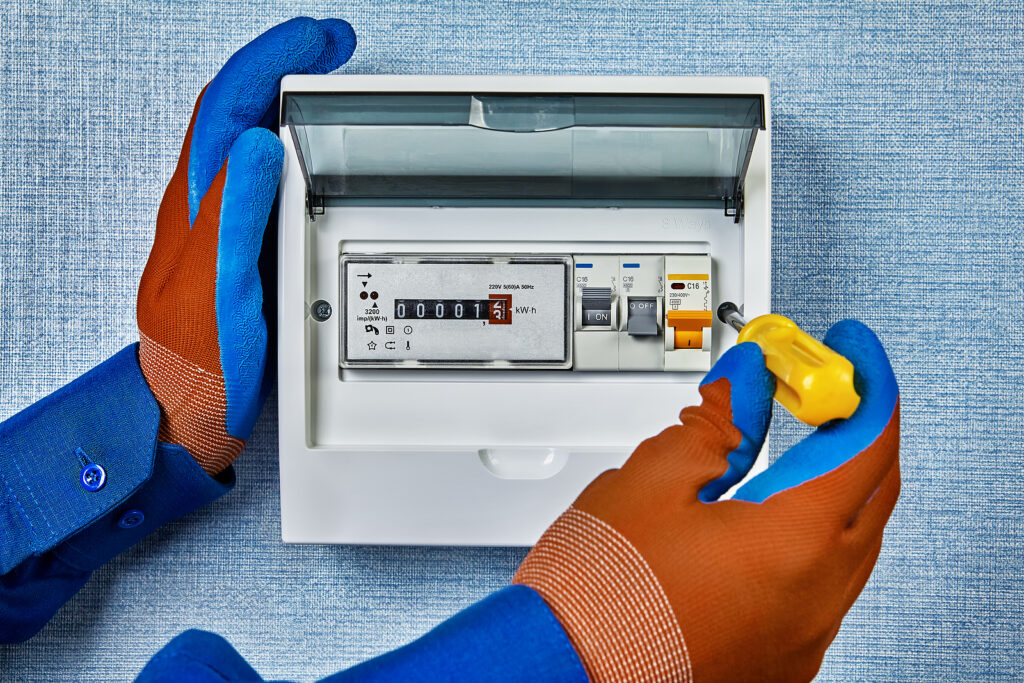
The electrical panel controls how power moves through the home. It sends electricity to lights, outlets, appliances, and major systems like air conditioning. A damaged panel can affect the entire property. It can also create safety risks if breakers stop working properly or if moisture reaches sensitive components. Homeowners in Dallas, Fort Worth, Haltom City, TX and surrounding areas often deal with storms that bring both power disruptions and electrical damage. Knowing what to check first can help prevent larger issues and protect the home.
This guide explains what storm damage can do to an electrical panel, which warning signs matter most, and why professional inspection and replacement may become necessary after severe weather.
Why Storms Can Damage An Electrical Panel
Storm damage does not always come from a direct lightning strike. Electrical panels can suffer problems from several weather-related causes.
Lightning can send a powerful surge through utility lines and into the home. Even if the surge does not destroy the panel right away, it can weaken breakers, damage bus bars, and affect internal components. Heavy rain can also create problems if water enters the meter base, service entrance, or panel enclosure. Strong wind may damage exterior electrical equipment or bring down utility lines that create unstable power conditions.
Storms also cause sudden power loss and repeated power returns. That on-and-off pattern can stress breakers and other electrical parts. In some homes, the panel may already be old or near capacity before the storm hits. Severe weather then pushes the system past its limit.
What Should Be Checked First After Storm Damage
Homeowners should not open the panel or touch damaged electrical equipment. Safety comes first. The best first step is to look for clear warning signs from a safe distance.
Check for these issues:
- Burning smells near the panel
- Buzzing sounds
- Scorch marks or discoloration
- Moisture around the panel or on nearby walls
- Breakers that will not reset
- Flickering lights after the storm
- Partial power loss in certain rooms
- Tripped breakers that keep tripping again
- Outlets or switches that stop working
- Unusual behavior from large appliances
These signs can point to internal panel damage or circuit damage connected to the panel. Any of them justify a professional electrical inspection.
Moisture Damage Is One Of The Most Important Things To Check
Water and electricity never mix safely. After a major storm, moisture damage should be one of the first concerns. Rain can find its way into electrical equipment through damaged seals, loose service connections, or wall penetrations. Even small amounts of moisture can cause corrosion and long-term damage inside the panel.
Moisture may not always be easy to see. In some cases, you may notice rust, staining, or damp drywall near the panel. In other cases, the problem stays hidden behind the cover. Water damage can affect breaker performance and create unsafe current flow. Corrosion can also continue getting worse after the storm has passed.
An electrician can inspect the panel, meter area, and service equipment to determine whether water intrusion occurred. This step matters because a panel that looks fine on the outside may still have internal damage that affects safety.
Breaker Behavior Tells You A Lot About Panel Condition
Breakers protect the home by shutting off power during overloads or faults. After a storm, their behavior can reveal whether the panel or connected circuits took damage.
Common breaker-related warning signs include:
- One breaker trips again and again
- Several breakers trip at once
- A breaker feels loose
- A breaker does not stay reset
- A breaker feels unusually hot
- Power returns to some rooms but not others
These symptoms may mean the breaker itself was damaged by a surge. They can also suggest problems inside the panel, such as damaged bus connections or internal heat buildup. A breaker that no longer trips correctly creates a serious safety concern because it may stop protecting the wiring the way it should.
An electrician can test the breakers and the overall panel to see whether replacement is the safest next step.
Watch For Signs Of Surge Damage Throughout The Home
Storm-related panel damage often comes with surge damage in other parts of the home. That is why electricians do not look at the panel alone. They also pay attention to how the rest of the electrical system behaves after the storm.
Signs of surge damage include:
- Electronics that stop working
- Appliances that act strangely
- Garage door openers that fail
- HVAC systems that do not start normally
- Dimming or unstable lights
- Outlets that stop supplying power
These issues can mean a surge moved through the system and affected multiple circuits. The panel may still energize the home, but hidden damage can remain inside breakers or internal panel components. A full inspection helps determine whether the panel can still be trusted or whether replacement makes more sense.
The Age And Condition Of The Panel Matter After A Storm
A newer panel in good condition may survive a storm better than an older one with existing wear. Age matters because electrical panels do not last forever. Over time, heat, dust, moisture, and repeated breaker use can reduce reliability.
An older panel that already showed warning signs before the storm may need replacement even if the storm only caused limited visible damage. Common pre-existing issues include:
- Frequent breaker trips
- Limited breaker space
- Outdated panel brand
- Rust inside the panel
- Past signs of overheating
- Unreliable power in parts of the home
Storm damage often reveals weaknesses that were already there. In those cases, replacement becomes a better choice than another short-term repair.
Why Professional Inspection Comes Before Replacement
Homeowners often want a quick answer after a storm. They want to know whether they need a full panel replacement or just a simple fix. The only safe way to make that decision is through a professional inspection.
An electrician will usually check:
- Panel enclosure condition
- Signs of arcing or overheating
- Breaker condition
- Bus bar damage
- Grounding and bonding connections
- Incoming service condition
- Moisture intrusion
- Connected circuits for fault damage
This inspection helps separate repairable problems from severe damage. It also helps identify related issues outside the panel, such as damaged wiring or meter components. Without proper testing, it is easy to miss problems that can return later.
When Full Panel Replacement Makes Sense
Not every storm-damaged panel needs full replacement, but some clearly do. Replacement often makes sense when safety or reliability is no longer certain.
A full replacement may be the better option if:
- Water entered the panel
- Breakers and internal parts show corrosion
- The panel experienced severe surge damage
- Multiple breakers fail after the storm
- The panel already had age-related problems
- The panel brand has a poor safety reputation
- Repairs would still leave an outdated system in place
Panel replacement gives the home a safer starting point. It also allows electricians to upgrade the system to match current electrical needs. Many homes use far more power today than they did when the original panel was installed. Storm damage may create the right moment to move to a safer, more capable panel.
Safety Steps Homeowners Should Take Right After A Storm
After a storm, some simple actions can help reduce risk before the electrician arrives.
Good steps to take include:
- Do not touch a wet panel
- Do not force a breaker to reset
- Unplug sensitive electronics if safe to do so
- Avoid using damaged outlets or switches
- Note which rooms lost power
- Check for outdoor service damage from a safe distance
Do not remove the panel cover yourself. Internal parts may still carry dangerous current. Even a panel that seems partly dead may still contain energized components. This is one of the situations where a licensed electrician should take over.
Why Fast Response Helps Prevent Bigger Problems
Storm damage can keep developing after the weather clears. Moisture can spread. Corrosion can worsen. Damaged breakers can overheat under normal use. A system that seems mostly okay may become a bigger problem within days or weeks.
Quick inspection and repair help prevent:
- Repeated breaker failure
- Hidden fire hazards
- Equipment damage
- Unreliable power
- Larger repair needs later
A fast response also helps restore confidence in the home’s electrical system. Homeowners need to know their panel is safe before returning to normal use of appliances, HVAC equipment, and electronics.
How A Stronger Panel Supports The Home After Replacement
A new panel does more than replace damaged parts. It can also improve how the home handles electrical demand in the future. Homes today often need more electrical capacity for kitchen appliances, home offices, entertainment systems, EV chargers, and backup generators.
A properly installed new panel can support:
- Safer breaker performance
- More stable power flow
- Room for additional circuits
- Better support for modern equipment
- Improved long-term reliability
This matters for homeowners who want to prepare for future upgrades instead of staying locked into an aging system that barely meets current demand.
Final Thoughts On Storm Damage And Panel Safety
Storms can affect an electrical panel in ways that are easy to overlook at first. A burning smell, flickering lights, or breakers that act strangely may be the first signs that something deeper went wrong. Water intrusion, surge damage, and worn internal parts can all reduce safety after severe weather.
The smartest first step is a professional inspection. That inspection helps identify what the storm damaged, whether the panel can still protect the home, and whether replacement offers the safest path forward. A panel that works properly protects everything connected to it. After a storm, that protection matters more than ever.
Frequently Asked Questions
Can A Storm Damage An Electrical Panel Without A Direct Lightning Strike?
Yes. Power surges, heavy rain, fallen lines, and repeated outages can all damage a panel even without a direct strike.
What Signs Show That A Storm May Have Damaged My Panel?
Common signs include burning smells, breaker trips, flickering lights, buzzing sounds, moisture near the panel, and partial power loss.
Should I Reset Breakers After A Storm?
You can check a tripped breaker once, but do not force it. Repeated trips or breakers that will not reset need professional inspection.
Can Water Damage Inside A Panel Get Worse Later?
Yes. Moisture can lead to corrosion and long-term damage even after the storm ends and the panel looks dry from the outside.
Does Storm Damage Always Mean Full Panel Replacement?
Not always. Some panels can be repaired, but severe surge damage, water intrusion, or age-related problems often make replacement the safer option.
Tarrant Electric handles storm-damaged panel inspection and replacement. Call 817-428-4404 for safe service in Dallas, Fort Worth, and Haltom City, TX.