


Sump Pump Not Working During a Storm? Check This Electrical Circuit First
If a sump pump has stopped working during or after a storm, the most common cause is not a failed pump motor. It is a tripped GFCI protection device on the pump’s circuit, often tripped silently hours or even days before the storm that exposed the problem. Current electrical code requires GFCI protection on sump pump circuits under the National Electrical Code, which is a genuine safety feature, but a tripped GFCI that goes unnoticed means the pump sits offline at the exact moment it is needed most. This guide explains why this happens, how to check it, and how a properly wired circuit prevents it going forward.
What Is Going On Here?
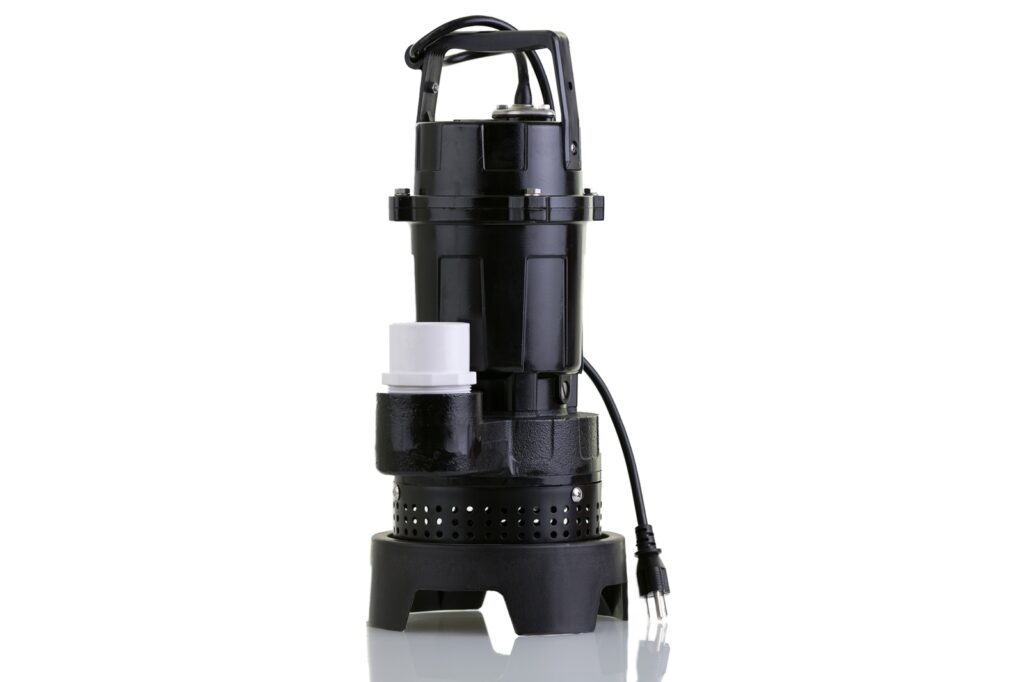
A sump pump removes water that collects beneath or around a home, whether from a crawl space, a low-lying foundation area, or a basement, discharging it safely away from the structure. The pump itself is a relatively simple device with a float switch that activates the motor when water reaches a set level. When a sump pump fails to run during a storm, the assumption is often that the pump itself has broken. In a large share of cases, the actual cause is upstream of the pump, in the electrical circuit supplying it.
Since 2020, the National Electrical Code has required Class A ground-fault circuit interrupter protection for sump pumps under Section 422.5(A)(6), regardless of where the pump is located in the home. This is a meaningful safety requirement, since sump pumps operate in inherently wet environments where shock risk is elevated. The tradeoff is that GFCI devices are also more prone to nuisance tripping than a standard breaker, and a tripped GFCI provides no audible or visible alarm unless someone happens to check it.
What Causes It?
A handful of specific electrical issues account for most sump pump failures that are mistaken for mechanical problems.
A Tripped GFCI Outlet or Breaker
This is the leading cause of sump pumps that appear to fail without warning. GFCI devices are designed to trip and cut power the moment they detect even a small imbalance in current, which can be triggered by normal motor operation, humidity inside the sump pit, or a genuine ground fault. Once tripped, the pump receives no power at all, but nothing about the pump’s appearance changes, so the failure is easy to miss until water is already accumulating.
A Shared Circuit Overloaded by Other Devices
Sump pumps draw significant current when the motor engages, particularly at startup. If the pump shares a circuit with other devices, especially in an older home where dedicated circuits were less common, that combined load can trip a standard breaker during exactly the high-demand moment a storm creates.
Storm-Related Power Outages
A sump pump, like any electrical device, has no power at all during a utility outage unless it is connected to a backup power source. North Texas storms capable of triggering sump pump activation are often the same storms capable of knocking out utility power, which is a dangerous coincidence for any home relying on a pump with no backup power plan.
A Loose or Damaged Connection at the Outlet
Outlets in damp environments like crawl spaces and sump pits are more prone to corrosion and connection wear than outlets in conditioned living space, which can eventually create an intermittent or fully failed connection even when the breaker itself is functioning normally. Outlet replacement in these damp-rated locations addresses this directly.
Warning Signs to Watch For
Distinguishing a circuit issue from an actual pump failure is usually possible with a few quick checks before assuming the pump itself is broken.
- The outlet or breaker serving the pump shows a tripped GFCI indicator (the test or reset button is popped out)
- The pump runs when manually tested by lifting the float switch, but does not activate automatically
- Other devices on the same circuit have also lost power
- The pump shares its circuit with other outlets, lighting, or appliances rather than having a dedicated circuit
- The sump pit or crawl space environment shows visible moisture or corrosion at the outlet itself
- The home recently lost utility power entirely during the storm in question
DIY vs. Professional: What Can You Handle Yourself?
Some sump pump circuit checks are safe and appropriate for a homeowner to perform directly, while others call for a licensed electrician.
What You Can Safely Check Yourself
Checking whether a GFCI outlet or breaker has tripped, and pressing reset, is a safe and reasonable first step for any homeowner. If the pump resumes normal operation after a reset, that confirms the GFCI was the issue, though it is still worth understanding why it tripped in the first place rather than simply resetting it and moving on.
When to Call a Licensed Electrician
If the GFCI trips repeatedly after being reset, if the circuit is shared with other devices and frequently overloaded, or if there is any visible damage or corrosion at the outlet itself, a licensed electrician should evaluate the circuit. Repeated tripping is the GFCI doing exactly what it is designed to do in response to a real underlying issue, and resetting it repeatedly without addressing the cause leaves the pump vulnerable to failing again at the worst possible time. A broader electrical inspection can also confirm nothing else nearby shares the same root cause.
Solutions
A properly designed sump pump circuit addresses both the code-required GFCI protection and the practical reliability concerns that come with it.
A Dedicated Circuit for the Sump Pump
While the National Electrical Code does not universally mandate a dedicated circuit for every sump pump installation, a dedicated 15 or 20-amp circuit serving only the pump is widely recommended by licensed electricians, since it eliminates the risk of other devices on a shared circuit contributing to an overload at the moment the pump needs to run.
Correctly Installed GFCI Protection
Code-compliant GFCI protection is not optional, but the quality of the installation matters. A licensed electrician can confirm whether GFCI protection is provided at the outlet itself or further upstream at the breaker, and verify the device is functioning correctly rather than simply present.
A Battery Backup Pump System
For homes where pump reliability is a significant concern, a battery backup sump pump system provides a secondary pump that activates automatically if the primary pump loses power or fails mechanically, buying critical time during a storm-related outage.
A Whole-Home or Circuit-Specific Backup Generator Connection
For homeowners who already have, or are considering, a backup generator, wiring the sump pump circuit into the generator’s protected essential circuits ensures the pump continues operating through a utility outage rather than only during a tripped-breaker scenario.
A Monitoring or Alert System
Several sump pump monitoring devices can send a phone alert if the pump loses power or if water levels rise unexpectedly, closing the gap created by GFCI trips that otherwise go unnoticed until water damage has already occurred.
Why This Matters for Dallas-Fort Worth Homeowners
Sump pumps are common in Dallas, Fort Worth, Haltom City, and the surrounding area despite the region’s general lack of basements, because they are widely used in crawl spaces beneath pier and beam homes, a foundation type still found throughout many of the area’s older neighborhoods. Sudden heavy storms across North Texas can overwhelm drainage around these foundations quickly, particularly in areas with the region’s characteristic clay-heavy soil, which retains water and increases hydrostatic pressure against the structure.
North Texas storm patterns make this an especially relevant issue locally. The same severe thunderstorms capable of producing the flash flooding that triggers sump pump activation, as tracked by the National Weather Service Fort Worth/Dallas office, are frequently accompanied by high winds and lightning activity that can also cause utility power interruptions, meaning the storm scenario most likely to flood a crawl space is also the scenario most likely to take the pump itself offline.
Frequently Asked Questions
Why did my sump pump stop working with no obvious cause?
A tripped GFCI outlet or breaker is the most common explanation. GFCI devices cut power the moment they detect a current imbalance, and because nothing about the pump’s appearance changes when this happens, the failure often goes unnoticed until the pump is needed and does not run.
Does the National Electrical Code require a dedicated circuit for sump pumps?
The NEC does not universally mandate a dedicated circuit for every sump pump, though it does require GFCI protection under Section 422.5(A)(6). Many licensed electricians recommend a dedicated circuit as a reliability best practice even where it is not strictly required by code.
Why does my sump pump GFCI keep tripping?
Repeated tripping usually indicates either a genuine ground fault somewhere in the circuit, moisture intrusion at the outlet itself, or a circuit that is shared with other devices contributing to the imbalance. Repeated trips after a reset warrant evaluation by a licensed electrician rather than continued resetting.
Can a sump pump be wired without GFCI protection?
No. Since the 2020 National Electrical Code, GFCI protection is required for sump pumps under Section 422.5(A)(6) regardless of the pump’s location, due to the inherent shock risk of equipment operating in wet environments.
What should I do if I find my sump pump GFCI tripped after a storm?
Press the reset button on the GFCI outlet or breaker and confirm the pump resumes normal operation. If it trips again shortly after, do not continue resetting it repeatedly. Contact a licensed electrician to identify the underlying cause.
Do Dallas-Fort Worth area homes commonly have sump pumps without basements?
Yes. Many homes throughout Fort Worth, Haltom City, and surrounding Tarrant County communities use sump pumps in crawl spaces beneath pier and beam foundations, a common foundation style in the area’s older neighborhoods, even without a traditional basement.
How does clay soil affect sump pump reliability in North Texas?
The clay-heavy soil common throughout North Texas retains water and increases hydrostatic pressure against foundations during heavy rain, which can overwhelm drainage and trigger sump pump activation more frequently than in areas with more permeable soil types.
Can a battery backup sump pump run during a power outage?
Yes, a battery backup sump pump system includes a secondary pump powered by a dedicated battery that activates automatically if the primary, utility-powered pump loses power, providing continued protection during a storm-related outage.
Will a whole-home generator keep my sump pump running during an outage?
A generator can keep a sump pump running during an outage if the pump’s circuit is included among the generator’s protected essential circuits. This requires the circuit to be properly wired into the generator’s transfer switch configuration, which a licensed electrician can confirm or set up.
How can I tell if my sump pump circuit is shared with other devices?
Check your electrical panel directory, if it is accurately labeled, or have a licensed electrician trace the circuit. A shared circuit is one indicator worth correcting, since other devices drawing power at the same time as the pump increase the risk of an overload-related trip.
Is it normal for a sump pump GFCI to trip occasionally?
Occasional trips can happen even on a properly functioning system, but frequent or repeated trips are not normal and indicate an underlying issue that should be evaluated rather than simply reset each time.
Can I install a dedicated circuit for my sump pump myself?
No. Installing a new dedicated circuit involves connecting directly to your home’s electrical panel, which requires a licensed electrician and, in most Tarrant County municipalities, an electrical permit.
What is the difference between a GFCI outlet and a GFCI breaker for a sump pump?
A GFCI outlet provides protection at the specific receptacle the pump is plugged into, while a GFCI breaker provides protection for the entire circuit from the panel. Both satisfy current code requirements, and a licensed electrician can advise which configuration best fits your specific setup.
Does Tarrant Electric install monitoring systems for sump pump power loss?
We can wire and configure your electrical circuit to support a monitoring or alert device of your choosing, helping ensure that a tripped GFCI or other power interruption does not go unnoticed until water damage has already occurred.
How quickly should a sump pump electrical issue be addressed after a storm?
Promptly. With North Texas storm patterns, a flooded crawl space situation can recur with the next significant rainfall, so addressing the underlying circuit issue before the next storm rather than after another failure is the more practical approach.
When to Call Tarrant Electric
If your sump pump has failed during a storm, or if you want to confirm your circuit is properly configured before the next one arrives, Tarrant Electric provides circuit evaluation and installation throughout Dallas, Fort Worth, Haltom City, and the surrounding areas. We are licensed under TECL-31627, fully bonded and insured, and available 24 hours a day for emergency electrical service.
Our electricians can evaluate your existing sump pump circuit, correct shared-circuit overload risks, and discuss backup power options if pump reliability during outages is a priority for your home. With a 4.9-star Google rating, we treat this as the practical electrical issue it is, not an excuse to oversell unnecessary work.
Take the Next Step
A sump pump is only as reliable as the circuit powering it. If yours failed during a recent storm, or you want to confirm it is properly wired before the next one, Tarrant Electric serves Dallas, Fort Worth, Haltom City, and the surrounding areas. Licensed under TECL-31627, fully bonded and insured, and available 24 hours a day for emergency electrical service. Call 817-428-4404 or schedule online today.