


How Outlet Replacement Helps Reduce Breaker Trips in High-Use Rooms
Breaker trips feel like a random problem at first. One minute everything works, then the microwave starts and the lights flicker, the breaker snaps off, and half the room goes dark. Many homeowners in Dallas, Fort Worth, Haltom City, TX and surrounding areas assume the electrical panel caused the problem. Sometimes that’s true, but in many cases, the real issue starts right where the power gets used most: the outlets.
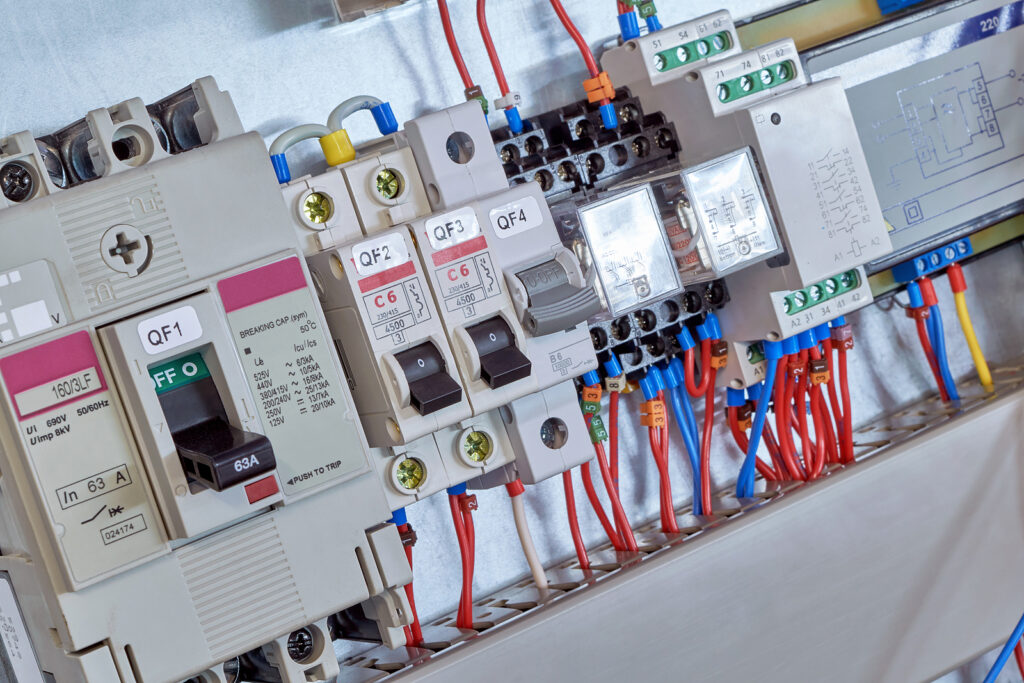
High-use rooms like kitchens, garages, laundry rooms, home offices, and living rooms pull more power than older electrical systems were designed to handle. Outlets in those spaces deal with constant plugging and unplugging, heavy appliance loads, power strips, chargers, and heat-producing devices. Over time, outlets wear down internally. That wear can trigger heat buildup, loose connections, arcing, and electrical resistance. All of those issues can contribute to breaker trips.
Outlet replacement sounds like a “small fix,” but it can make a big difference in power stability. A strong outlet connection improves current flow and reduces the strain that forces breakers to trip. This article explains how it works, what signs to watch for, and when outlet replacement becomes a smart move.
Why breaker trips happen more in high-use rooms
A breaker trips for one reason: protection. It shuts the power off when it detects a dangerous condition, usually:
- Circuit overload (too much power demand)
- Short circuit (hot wire touches neutral or ground)
- Ground fault (power leaks toward ground)
- Arc fault (sparking or arcing in wiring)
High-use rooms create these conditions more often because they concentrate electricity use.
Common breaker-tripping rooms
- Kitchen: microwave, toaster oven, coffee maker, air fryer, fridge
- Laundry room: washer, dryer, iron, dehumidifier
- Garage: battery chargers, freezers, tools, shop vacs
- Home office: computer equipment, printers, monitors, chargers
- Living room: TVs, gaming systems, space heaters, lamps
In many homes, these rooms still rely on older outlets that were never built for constant demand. Weak outlets can increase resistance, create hot spots, and push circuits closer to failure.
How worn outlets contribute to breaker trips
Most people picture an outlet as a simple plastic faceplate with holes. Inside the wall, the outlet has metal contacts that grip the plug blades. Those contacts wear out over time. They loosen, corrode, and lose tension.
A worn outlet can cause breaker trips in several ways:
1) Loose connections create electrical resistance
Electricity hates resistance. A loose connection makes current work harder to pass through, and that creates heat.
Heat at an outlet can lead to:
- melted wiring insulation
- scorched outlet terminals
- damaged plug ends
- overheating in the circuit
That heat can trigger the breaker’s safety mechanism, especially in rooms where appliances run longer.
2) Arcing inside the outlet triggers unsafe conditions
Arcing happens when electricity jumps through the air between gaps in connections. A loose plug or worn contact makes arcing more likely.
Arcing can:
- trip standard breakers
- trip arc-fault breakers (AFCI)
- damage wiring and outlet parts
- raise fire risk
One outlet with internal arcing can trip an entire circuit.
3) Poor outlet grip causes partial power loss and surges
Outlets that do not hold a plug tightly allow power to “cut in and out” at the connection. This can cause flickering and mini surges.
That unstable draw can:
- confuse certain AFCI/GFCI breakers
- stress the circuit
- raise tripping frequency
4) Incorrect outlet type causes nuisance trips
Some high-use rooms need special protection. Bathrooms, garages, kitchens, and outdoor areas often require GFCI outlets. Bedrooms and living spaces often use AFCI protection, depending on circuit rules.
Old or failing outlets can create:
- false trips due to internal breakdown
- constant GFCI resets
- breaker trips caused by fault leakage
Replacing the outlet with the correct type often solves the issue faster than many homeowners expect.
Why outlet replacement improves circuit stability
Outlet replacement reduces breaker trips by removing weak points in the circuit. Think of it like replacing a leaky valve in plumbing. The pipe may still work, but the weak spot ruins the flow.
A new outlet provides:
Stronger contact pressure
New outlets grip plugs tighter. That gives better electrical contact and reduces resistance.
Cleaner, safer internal wiring connections
Many older outlets have wiring that loosens. Electricians can replace outlets and ensure:
- secure terminations
- proper wire stripping and fit
- correct torque on terminals
- safe grounding
Better compatibility with modern loads
Modern outlets and wiring methods support today’s demand better than older, worn-out receptacles.
Reduced heat buildup
Heat triggers breaker behavior. A cooler, cleaner connection reduces the overload-like conditions that cause trips.
Signs an outlet causes breaker trips (and needs replacement)
Breaker trips can make people focus only on the panel. These outlet-related clues often point to the real source:
- plugs fall out easily
- outlet feels warm during use
- outlet makes buzzing or crackling sounds
- discoloration or scorch marks appear
- burning smell near the outlet or device plug
- flickering lamps when a plug moves slightly
- breaker trips only when using one outlet
- multiple devices fail on the same wall outlet
Any one of these signs means it’s time for an electrician to inspect that outlet and the wiring behind it.
High-use room outlet upgrades that prevent trips
Outlet replacement helps most when the upgrade matches the room’s needs.
Kitchen outlet upgrades
Kitchens commonly overload circuits due to heavy countertop appliance use.
Outlet improvements include:
- replacing worn countertop outlets
- installing properly placed GFCI outlets
- adding dedicated appliance circuits when needed
- replacing cheap or aged backstab-wired outlets with secure terminal wiring
Laundry room outlet upgrades
Laundry circuits often see high amperage use and long run times.
Upgrades may include:
- replacing worn outlets for the washer
- correcting loose wiring connections
- ensuring proper receptacle type and circuit protection
- inspecting for hidden moisture damage
Garage outlet upgrades
Garages face dust, humidity, and higher electrical strain from tools and chargers.
Recommended improvements:
- GFCI outlet replacement
- weather-resistant outlet covers where needed
- adding new outlets to reduce power strip reliance
- installing dedicated outlets for freezers or chargers
Home office outlet upgrades
Modern work setups push circuits hard.
Effective solutions include:
- installing USB outlets for charging (reduces adapter strain)
- adding outlets to avoid power strip stacking
- replacing loose outlets that cause computer flicker or shutdowns
- correcting overloaded circuits
Outlet problems that outlet replacement will NOT solve alone
Outlet replacement fixes many weak points, but not every breaker trip comes from outlets. Some homes have bigger issues that an electrician must address.
Common causes beyond outlets:
- overloaded circuit design (too many devices on one circuit)
- failing breaker
- undersized wiring
- old or unsafe electrical panel
- damaged wiring in the wall
- neutral wire issues in the circuit
A professional electrician tests the circuit correctly instead of guessing. In many cases, the repair plan includes outlet replacement plus one additional improvement, such as circuit upgrades.
Why DIY outlet replacement often leads to repeat breaker trips
Homeowners often replace outlets themselves, but many run into problems that create new safety risks.
Common DIY mistakes:
- loose terminal screws
- incorrect wire placement
- poor grounding connection
- wrong outlet type in wet areas
- mixing neutral and ground connections
- using backstab connections that loosen quickly
- installing outlets on worn wiring without inspection
Breaker trips can actually increase after incorrect outlet work. Professional outlet replacement includes inspection, testing, and secure connections.
How do electricians confirm that outlets caused the breaker trips
A licensed electrician can verify outlet issues using safe diagnostic steps such as:
- checking outlet temperature under load
- inspecting wiring quality and connection tightness
- identifying backstabbed or loose terminations
- testing GFCI/AFCI response behavior
- verifying proper polarity and grounding
- confirming circuit load and distribution
This process helps ensure the solution actually stops the trips.
What homeowners can do today to reduce breaker trips
Some quick habits reduce trips and improve safety:
- unplug space heaters and heavy appliances when not needed
- avoid running multiple countertop appliances together
- stop stacking power strips
- check outlets that feel loose or warm
- label which breaker controls which outlets for faster troubleshooting
- schedule an electrical inspection if breaker trips occur monthly or more often
This approach prevents repeat outages and reduces risk.
FAQs
Can a bad outlet really trip a breaker?
Yes. Loose internal connections and arcing can create heat and faults that trigger breaker shutdown.
Why does my breaker trip only when I use one outlet?
That outlet may have loose wiring, internal damage, or an appliance load issue connected through it.
Will replacing outlets stop flickering lights in kitchens and bedrooms?
Outlet replacement often helps if loose connections cause flicker, though circuit load problems may also contribute.
Should I replace outlets in older homes before remodeling?
Yes. New fixtures and appliances increase load, and worn outlets increase trip risk during upgrades.
How often should outlets be replaced?
Replacement depends on wear. Loose grip, heat, discoloration, repeated trips, or dead outlets indicate replacement time.
Get safer power in high-use rooms with expert outlet replacement from Tarrant Electric. Call 817-428-4404 today for service you can trust.