


Why Your Bathroom or Kitchen GFCI Outlet Keeps Tripping for No Apparent Reason
A GFCI outlet that trips repeatedly is not malfunctioning. It is detecting exactly what it was designed to detect: an imbalance in electrical current that signals a ground fault somewhere on the circuit. When a GFCI trips in your kitchen or bathroom and the reset immediately pops back out, or when it trips again minutes after being reset, the device is telling you that a real fault exists, and the correct response is to diagnose the cause rather than keep pressing the button. Tarrant Electric provides licensed electrical outlet replacement and GFCI services throughout Dallas, Fort Worth, Haltom City, and the surrounding areas, with a 4.9-star Google rating across more than 95 reviews and additional verified feedback on Yelp. Licensed under TECL-31627, fully bonded and insured, and available 24 hours a day for emergency electrical service.
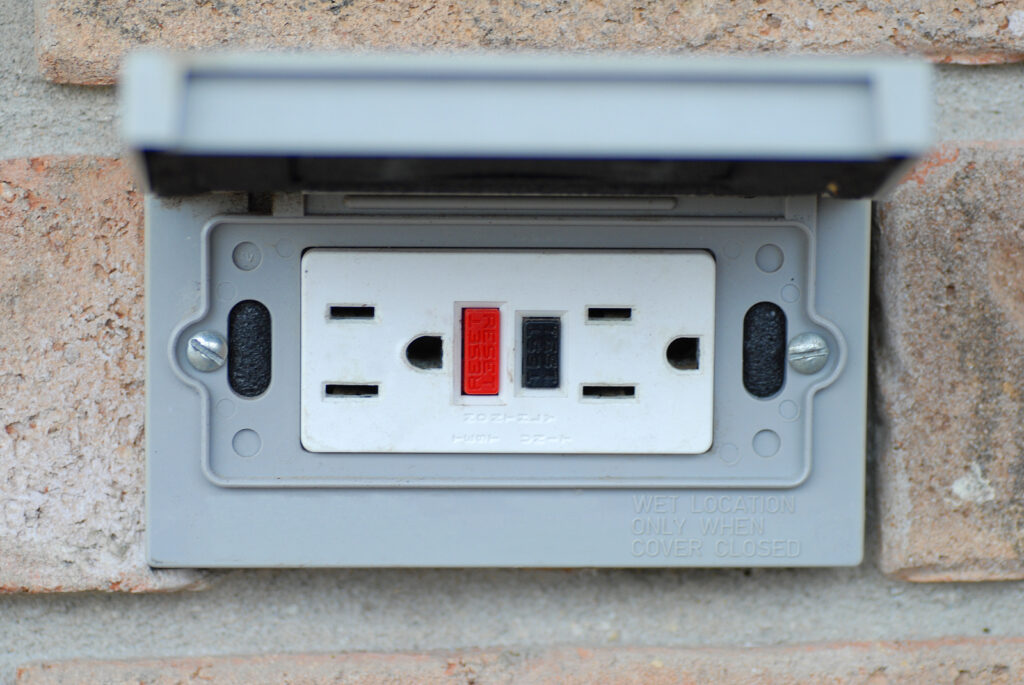
What Is Going On Here?
A GFCI, or ground fault circuit interrupter, monitors the electrical current flowing out through the hot wire and returning through the neutral wire of any device connected to it. Under normal conditions, these two values match. When they differ by as little as 0.005 amperes, the GFCI trips and cuts power in milliseconds, protecting anyone in contact with water or a grounded surface from a shock that could cause serious injury or death.
The National Electrical Code requires GFCI protection in kitchens, bathrooms, garages, outdoor locations, crawl spaces, and other specified areas because these are the environments where electrical faults most often result in dangerous contact. A GFCI tripping in one of these locations means the device detected a current imbalance at some point on its protected circuit. The source of that imbalance can be at the GFCI outlet itself, in a downstream device wired to it, or in an appliance plugged into any outlet on the same circuit.
What Causes It?
Six specific causes account for the majority of GFCI trips that homeowners describe as happening for no reason. Understanding which applies in your situation determines the appropriate fix.
A Real Ground Fault in a Connected Appliance
Appliances with degraded internal insulation, a wet heating element, or a damaged power cord can leak small amounts of current to ground that a standard breaker would never detect but a GFCI catches every time. This is the most common cause of a GFCI that trips reliably when a specific appliance is in use, such as a hair dryer, toaster, or garbage disposal. The appliance itself, not the outlet, is the fault source.
Moisture Inside the Receptacle Box or Outlet Housing
Even small amounts of moisture inside a bathroom or kitchen outlet box can create a conductive path between the hot conductor and the grounded metal box, tripping the GFCI. In DFW’s humid August conditions, steam from showers and cooking can work its way into outlet housings over time, particularly in older homes where original outlet boxes lack modern moisture barriers.
A Failing or End-of-Life GFCI Device
GFCI outlets and breakers have a service life, typically cited as 10 to 15 years. As the internal sensing electronics age, the trip threshold can drift, causing the device to trip at current imbalance levels lower than its design specification. A GFCI that trips with nothing plugged into it and no identifiable fault downstream is often a device that needs replacement rather than continued troubleshooting.
Downstream Wiring Fault on the Protected Circuit
A single GFCI outlet commonly protects multiple downstream outlets on the same circuit through its load terminals. A wiring fault, a loose connection, or degraded wire insulation at any point downstream of the GFCI will cause the GFCI at the source to trip repeatedly, even if the fault has nothing to do with the GFCI outlet’s own location.
Cumulative Leakage Current From Multiple Appliances
Every appliance with a switching power supply or electronic motor filter creates a tiny amount of normal leakage current to ground. A single appliance’s leakage is typically far below the 0.005-ampere trip threshold. However, when multiple such appliances share a single GFCI circuit in a kitchen with several counter appliances running simultaneously, cumulative leakage can exceed the threshold and trip the device with no single identifiable fault.
An Overloaded Circuit Drawing Peak Current
Although GFCI devices primarily detect ground faults rather than overloads, the current draw pattern during overload conditions can cause the sensing circuitry in some devices to register apparent current imbalance and trip. This is sometimes described as nuisance tripping and is most common during the DFW summer season when high appliance loads run simultaneously on kitchen circuits while air conditioning is at peak draw.
Warning Signs to Watch For
Certain patterns in how and when a GFCI trips can help narrow down the cause before a licensed electrician diagnoses the specific fault.
- The GFCI trips every time a specific appliance, such as a garbage disposal, hair dryer, or countertop appliance, is used
- The GFCI trips with nothing plugged in at all, pointing to a device fault or downstream wiring issue rather than an appliance
- The GFCI trips immediately when reset before any loads are connected, indicating a persistent fault in the wiring or device itself
- The GFCI trips on high-demand days when multiple kitchen appliances run simultaneously
- Multiple GFCI outlets in different locations are tripping, suggesting a shared neutral problem or a fault in common wiring
- The GFCI outlet is more than 10 to 15 years old and trips without a clear load-related trigger
DIY vs. Professional: What You Can Check Yourself
A safe and methodical diagnostic approach can identify some GFCI trip causes without professional help, while others require a licensed electrician.
What You Can Safely Check
Unplug all appliances and devices connected to the GFCI and any outlets it protects downstream. Press the reset button. If the GFCI holds with nothing connected, reconnect appliances one at a time and run each for a few minutes before adding the next. An appliance that triggers a trip when connected is likely the fault source and should be inspected or replaced. If the GFCI trips immediately with no load at all, or if it trips at random times with no identifiable appliance correlation, the diagnostic has moved beyond what can safely be assessed without opening the outlet box.
When to Call a Licensed Electrician
A licensed electrician should evaluate any GFCI that trips immediately upon reset regardless of connected load, trips with nothing connected, has downstream outlets that no longer have power even after the GFCI is reset, or that cannot be reset at all. These conditions indicate either a persistent wiring fault on the protected circuit or a device that needs replacement. Our electricians can test for ground faults throughout the circuit, assess downstream wiring condition, and replace a failing GFCI device with one that restores proper protection.
Solutions
Once the cause is identified, the fix typically falls into one of these categories.
Replace the Faulty Appliance
When appliance testing confirms a specific device is triggering the trip, replacing or professionally repairing the appliance resolves the GFCI issue without any electrical work at the outlet itself.
GFCI Outlet Replacement
An aging or internally failed GFCI device that trips at low thresholds or trips with nothing connected needs replacement. We install a new GFCI outlet rated for the correct amperage for the circuit location, test the reset and trip functions, and confirm downstream protection is working correctly.
Downstream Wiring Repair
A fault in wiring downstream of the GFCI requires locating the specific fault point, whether a loose connection, degraded insulation section, or improperly wired junction box, and correcting it with code-compliant methods.
Circuit Redistribution
When cumulative leakage from multiple appliances causes nuisance tripping on a shared kitchen circuit, redistributing high-draw appliances to separate dedicated circuits reduces the per-circuit leakage and resolves the tripping without replacing the GFCI device itself.
Why This Matters for Dallas-Fort Worth Homeowners
DFW’s late summer conditions create a specific GFCI challenge that is less common in milder climates. August in Fort Worth and the surrounding area brings sustained temperatures well above 100 degrees, generating kitchen steam from cooking, bathroom humidity from showers in a hot and humid environment, and peak appliance loads from refrigerators, air conditioning, and countertop appliances all running simultaneously. This combination creates the conditions most likely to push GFCI circuits to nuisance tripping in homes throughout the area.
Fort Worth and Haltom City homes built in the 1970s and 1980s commonly have GFCI outlets that are now 15 to 25 years old, well past the typical service life for reliable GFCI electronics. Our licensed electricians regularly find GFCI devices in established DFW neighborhoods that are tripping at fractions of their design threshold, protecting their circuits no better than a standard outlet while creating the appearance of a persistent fault where none actually exists.
Frequently Asked Questions: Why Your Bathroom or Kitchen GFCI Outlet Keeps Tripping
Is a GFCI that keeps tripping broken?
Not necessarily. A GFCI that trips in response to a real ground fault is functioning correctly. A GFCI that trips with no load connected or immediately upon reset may be at end of life and failing internally. A licensed electrician can distinguish between the two through circuit testing.
Is it safe to keep resetting a GFCI that trips immediately?
No. A GFCI that trips immediately upon reset is detecting a persistent fault somewhere on the circuit. Repeated resets without diagnosing the underlying fault do not address the safety condition the device is responding to.
Can a GFCI protect outlets in other rooms?
Yes. A single GFCI outlet is commonly wired to protect multiple downstream outlets throughout a room or even adjacent areas. A trip at the GFCI outlet will cut power to all downstream outlets on the same circuit, which is why outlets in unexpected locations sometimes lose power when a bathroom or kitchen GFCI trips.
How long do GFCI outlets last?
GFCI devices typically have a service life of 10 to 15 years. After this period, the internal sensing electronics can drift, causing trips at lower current imbalances than the design specification or, conversely, failing to trip when they should. Periodic testing and replacement on aging devices is a reasonable safety practice.
Why does my GFCI trip when I use the garbage disposal?
Garbage disposal motors with aging or degraded internal insulation can leak small amounts of current to ground that a standard breaker never detects but a GFCI catches. This is a common finding in older DFW homes. The disposal motor, not the outlet, is usually the fault source.
Why does my GFCI trip with nothing plugged in?
A GFCI that trips with no appliances connected is either detecting a wiring fault downstream of its load terminals, has moisture inside the outlet box creating a leakage path, or has aged beyond its reliable service life and is triggering at below-design thresholds. A licensed electrician can isolate which applies.
Can moisture from a DFW summer cause GFCI trips?
Yes. Kitchen steam, bathroom humidity, and the high ambient humidity of late summer in the Dallas-Fort Worth area can allow small amounts of moisture to enter outlet boxes over time, particularly in older homes, creating conductive paths that trip the GFCI even when no appliance is in use.
Is there a way to test whether my GFCI is still working?
GFCI outlets include test and reset buttons for this purpose. Pressing the test button should trip the device and cut power to the outlet and downstream outlets. Pressing reset should restore power. If the test button does not trip the device, or if the reset does not restore power, the device needs replacement.
Can running too many appliances cause a GFCI to trip?
In some cases, yes. Each appliance with a switching power supply creates a small amount of normal leakage current. When multiple such appliances share a GFCI circuit, cumulative leakage can reach the trip threshold. This is most common in heavily equipped kitchens with multiple appliances drawing simultaneously.
Does Tarrant Electric replace GFCI outlets in DFW homes?
Yes. We replace standard and GFCI outlets throughout Dallas, Fort Worth, Haltom City, and surrounding communities, installing correctly rated devices, testing downstream protection, and addressing any wiring concerns found during the replacement.
Why does my GFCI keep tripping in the bathroom after showers?
Steam and elevated humidity from hot showers can condense inside outlet boxes, particularly in bathrooms without adequate ventilation. This moisture creates a temporary conductive path that triggers the GFCI until the moisture dissipates. Persistent trips after showers may indicate inadequate box sealing or a ventilation issue worth addressing.
Should I replace a GFCI outlet myself?
GFCI outlet replacement involves working with energized wiring connections and testing downstream circuit continuity. While some homeowners are comfortable with this work, a licensed electrician can also identify any wiring concerns behind the outlet that a simple device swap would not address.
What is the difference between a GFCI outlet and a GFCI breaker?
A GFCI outlet protects the receptacle itself and any outlets wired downstream through its load terminals. A GFCI breaker installed at the panel protects every outlet on the entire circuit from the panel. Both are acceptable under the National Electrical Code, and a licensed electrician can advise which approach fits your specific circuit best.
Can a GFCI outlet protect a two-prong outlet on the same circuit?
Yes. A GFCI outlet wired with the downstream two-prong outlets connected to its load terminals will provide GFCI protection to those ungrounded outlets, which is an NEC-accepted method for improving safety in older homes without adding a ground conductor to the circuit.
How do I schedule GFCI outlet service in DFW?
Call 817-428-4404 or schedule online. Let us know what the GFCI is doing, whether it trips with specific appliances, at random, or immediately upon reset, and we will arrange a service visit to diagnose and resolve the issue at your Dallas, Fort Worth, or Haltom City area home.
When to Call Tarrant Electric
Tarrant Electric provides electrical outlet replacement and GFCI services and electrical inspections throughout Dallas, Fort Worth, Haltom City, and the surrounding DFW communities. Licensed under TECL-31627, fully bonded and insured, and available 24 hours a day for emergency electrical service.
Our electricians trace GFCI trip causes through systematic circuit testing rather than swapping devices until the symptom resolves. With a 4.9-star Google rating across more than 95 reviews, we have diagnosed this exact type of circuit problem throughout DFW homes and resolve it correctly the first time rather than leaving homeowners with a reset button they keep pressing.
Take the Next Step
A GFCI that keeps tripping is sending a message your electrical system needs you to hear. Tarrant Electric diagnoses and resolves GFCI issues throughout Dallas, Fort Worth, Haltom City, and the surrounding DFW area. Licensed under TECL-31627, fully bonded and insured, and available 24 hours a day for emergency electrical service. Call 817-428-4404 or schedule online today.