


How Backup Generator Installation Supports Refrigeration, Security, And Data Protection In Commercial Spaces
Power loss affects a commercial property in more ways than many business owners expect. Lights go out first, but the real damage often happens in the systems that stop working behind the scenes. Refrigeration can lose temperature control. Security devices can go offline. Computers, servers, and network equipment can shut down without warning. A backup generator helps protect these critical systems and gives a business a better chance to stay stable during an outage.
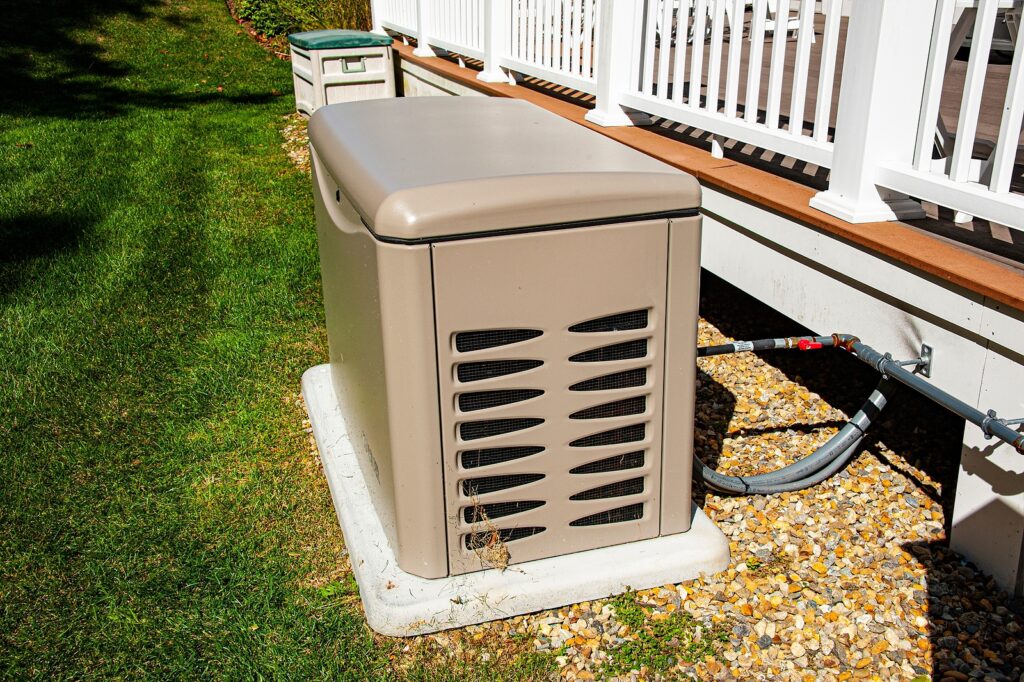
Tarrant Electric helps businesses in Dallas, Fort Worth, Haltom City, TX and surrounding areas install backup generator systems that support day to day operational security. A generator does not need to power every single device in the building to be valuable. A well-planned installation can keep the most important systems operating, which helps protect inventory, reduce downtime, and limit disruptions that cost time and create stress. This matters for offices, restaurants, retail spaces, medical environments, warehouses, service businesses, and many other commercial properties.
A backup generator works best when it supports the parts of the business that cannot simply wait for utility power to return. Refrigeration, security, and data systems are often at the top of that list.
Why Commercial Spaces Need More Than Basic Outage Protection
A home and a business use electricity differently. In a home, an outage may interrupt comfort and convenience. In a commercial space, the same outage can stop operations, put inventory at risk, affect staff safety, and damage customer trust. That is why businesses need to think about backup power in terms of priorities, not just general power loss.
A generator can help a commercial property protect:
- Refrigerated inventory
- Security cameras and access control
- Alarm systems
- Internet and communication equipment
- Point of sale systems
- Data storage and network hardware
- Emergency lighting
- Select HVAC support in critical areas
These systems often determine whether a business can continue operating, recover quickly, or suffer major disruption during an outage. Backup generator installation turns outage planning into a practical layer of protection instead of a reactive scramble.
Refrigeration Loss Can Turn Into Inventory Loss Fast
Refrigeration often sits near the top of the priority list for backup power. Restaurants, grocery stores, florists, food prep spaces, convenience stores, and medical facilities all depend on temperature-controlled storage. Once refrigeration loses power, the countdown begins.
A generator helps support refrigeration by keeping:
- Walk-in coolers running
- Freezers operating
- Reach-in refrigerators stable
- Food storage within a safer temperature range
- Specialty cooled inventory protected
- Temperature-sensitive materials from degrading
A short outage may feel manageable at first, but repeated outages or longer interruptions can create serious loss. Perishable inventory does not wait. A backup generator helps reduce the risk that a temporary utility problem becomes a major inventory issue. It also helps business owners avoid the added stress of checking temperatures manually and deciding what can still be used later.
In some commercial spaces, refrigeration protects more than food. Medical offices, labs, and other specialized facilities may rely on cooled storage for items that need stable temperatures to remain usable. Backup power helps support those needs too.
Security Systems Need Continuous Power To Do Their Job
A security system only works when it has power. Cameras, alarms, motion devices, electronic locks, gates, and monitoring equipment all depend on electricity to function. Some systems include battery backup, but batteries are not a long-term replacement for generator support during extended outages.
A backup generator helps commercial security systems stay active by supporting:
- Exterior and interior surveillance cameras
- Alarm panels
- Motion detection systems
- Electronic access control
- Keypad and card entry devices
- Parking area and perimeter lighting
- Rolling gate or controlled entry hardware in some setups
This matters because outages can create vulnerability. A dark building with limited surveillance and no access control becomes harder to protect. A generator helps maintain visibility, security awareness, and controlled access when utility power fails.
Security also affects liability and customer confidence. Business owners want to know the property remains monitored even during severe weather or widespread outages. A backup generator helps make that possible.
Data Protection Depends On Stable Power Support
Many businesses now depend on digital systems for daily operation. Power loss can interrupt file access, communication, payment systems, scheduling, remote connections, and internal records. A sudden shutdown can also create problems for computers, servers, routers, network switches, and connected workstations.
A backup generator helps support data protection by keeping power available for:
- Server rooms
- Data storage devices
- Routers and internet hardware
- Network switches
- Cloud sync equipment
- Internal workstations that need a controlled shutdown or continued operation
- Security and monitoring software systems
Data protection is not only about saving files. It is also about preserving access, limiting corruption risk, maintaining business continuity, and supporting communication during a disruption. A generator can help critical systems remain online or at least remain stable long enough for safe management instead of a hard shutdown.
For businesses that rely on appointments, online orders, customer files, digital records, or real-time communications, that stability matters a great deal.
Business Continuity Starts With Critical Load Planning
One of the most valuable parts of generator installation is deciding what actually needs backup power. Not every system must run during an outage. A smart generator plan focuses on critical loads first. That helps protect the most important parts of the operation without overcomplicating the system.
Critical load planning often includes:
- Refrigeration equipment
- Security devices
- Networking equipment
- Data-related hardware
- Essential lighting
- Limited office or sales systems
- Critical operational outlets
- Select HVAC support in required areas
This approach helps businesses use backup power strategically. The goal is not always full-building power. The goal is continuity where it matters most. A business may not need every light on, but it may absolutely need the walk-in cooler, camera system, and internet hardware powered.
Tarrant Electric helps commercial clients identify which systems belong on generator-backed circuits so the installation reflects the real needs of the property.
Generator Installation Helps Reduce Downtime Pressure
Downtime affects more than revenue. It affects staff routines, customer communication, internal access, and decision-making during stressful conditions. A backup generator reduces that pressure by giving the business more control.
With generator support, a business may be able to:
- Keep critical equipment operating
- Preserve refrigerated inventory
- Maintain security system awareness
- Avoid sudden network loss
- Continue limited service in some situations
- Protect digital records and internal access
- Reopen faster after an outage
That kind of continuity matters even if the outage only lasts a few hours. It can be the difference between a manageable interruption and a full operational shutdown. For businesses with frequent customer contact, this also helps reduce confusion and maintain service confidence.
Installation Quality Matters As Much As The Generator Itself
A generator only delivers real protection when the installation supports the property correctly. Commercial generator work requires more than placing a unit outside and connecting it to the panel. The installation should reflect building layout, critical load priorities, electrical demand, and safe switching between utility power and backup power.
A professional installation often includes:
- Load evaluation
- Circuit priority planning
- Generator sizing support
- Transfer switch setup
- Panel integration
- Safe electrical routing
- Access planning for service and maintenance
- Final testing under operating conditions
A poor installation can reduce performance and leave key systems unsupported. A proper installation helps refrigeration, security, and data equipment receive the backup power they were meant to have. That is why planning matters so much before the system goes live.
Different Commercial Spaces Have Different Priorities
Not all businesses need the same backup power strategy. A restaurant may place refrigeration first. An office may prioritize data and internet access. A retail location may focus on security, point of sale support, and lighting. A mixed-use commercial property may need a more layered plan.
Examples of how priorities can differ:
Restaurants And Food Service
- Walk-in coolers
- Freezers
- Point of sale systems
- Security cameras
- Internet hardware
Retail Stores
- Cameras
- Alarm systems
- Point of sale systems
- Entry control
- Limited lighting
Offices
- Servers
- Networking equipment
- Security systems
- Workstations for essential operations
- Access control
Medical And Specialized Facilities
- Refrigerated storage
- Secure records access
- Monitoring devices
- Communication systems
- Controlled lighting and key outlets
A useful generator plan starts by understanding how the business operates, what it cannot afford to lose, and what must remain powered first.
A Generator Supports More Than Emergency Response
Backup power is often viewed as an emergency-only feature, but it also supports better long-term planning. It gives business owners more confidence in how the property will respond during grid issues, severe weather, or infrastructure problems. It helps protect systems that take time and money to restore after an outage. It also supports a stronger maintenance mindset because critical systems stay part of a larger continuity plan.
A generator helps the business become more resilient. That matters in areas where storms, grid strain, or seasonal weather events can interrupt service with little warning. Instead of reacting after the outage starts, the business has a system in place that helps reduce loss and protect operations.
Why Professional Generator Planning Matters
Commercial backup power should match actual building use. An oversized or undersized plan can create problems. A system that powers the wrong circuits may leave key operations exposed. Professional planning helps avoid those issues.
Tarrant Electric works with businesses to identify the systems that matter most, then helps design generator-backed electrical support that fits the property. That includes refrigeration, security, and data-related priorities, along with other essential needs tied to business continuity.
A clear plan helps answer practical questions such as:
- What must stay powered first
- Which circuits should connect to backup power
- How much support the building actually needs
- Where the generator should be placed
- How future growth may affect the setup
Those decisions shape whether the generator truly protects the business or only offers partial help during an outage.
Frequently Asked Questions
What commercial systems should a backup generator power first?
Many businesses prioritize refrigeration, security equipment, data systems, internet hardware, and essential lighting first.
Can a generator help protect refrigerated inventory during an outage?
Yes. A backup generator can keep coolers, freezers, and refrigeration equipment operating during utility power loss.
Does a generator help security systems stay active?
Yes. A generator can support cameras, alarm panels, access control devices, and security lighting during outages.
Why does data protection matter during a power outage?
Power loss can interrupt servers, networking equipment, file access, and communication systems. Backup power helps reduce that risk.
Does every business need full-building generator coverage?
No. Many businesses benefit most from powering critical loads first instead of backing up every circuit in the building.
Backup generator installation gives commercial spaces more than emergency power. It helps protect refrigerated inventory, keeps security systems operating, and supports data continuity when utility power fails. These systems often sit at the center of business continuity. When they stay online, the business has a stronger chance of staying stable, reopening faster, and protecting what matters most.
Power loss may begin with the lights, but the bigger impact usually reaches deeper into operations. Refrigeration, security, and data all depend on dependable electrical support. A properly installed commercial generator helps keep those priorities protected.
Tarrant Electric installs commercial backup generator systems that help protect refrigeration, security, and critical business operations. Call 817-428-4404.