


Best Locations For Residential Generator Installation Without Sacrificing Safety Or Access
A backup generator can make a major difference during a power outage. It can keep the lights on, help keep food cold, support heating and cooling equipment, and keep key parts of the home working when the grid goes down. Many homeowners focus first on generator size or fuel type, but placement matters just as much. The best location for a residential generator affects safety, service access, airflow, noise control, and long term performance.
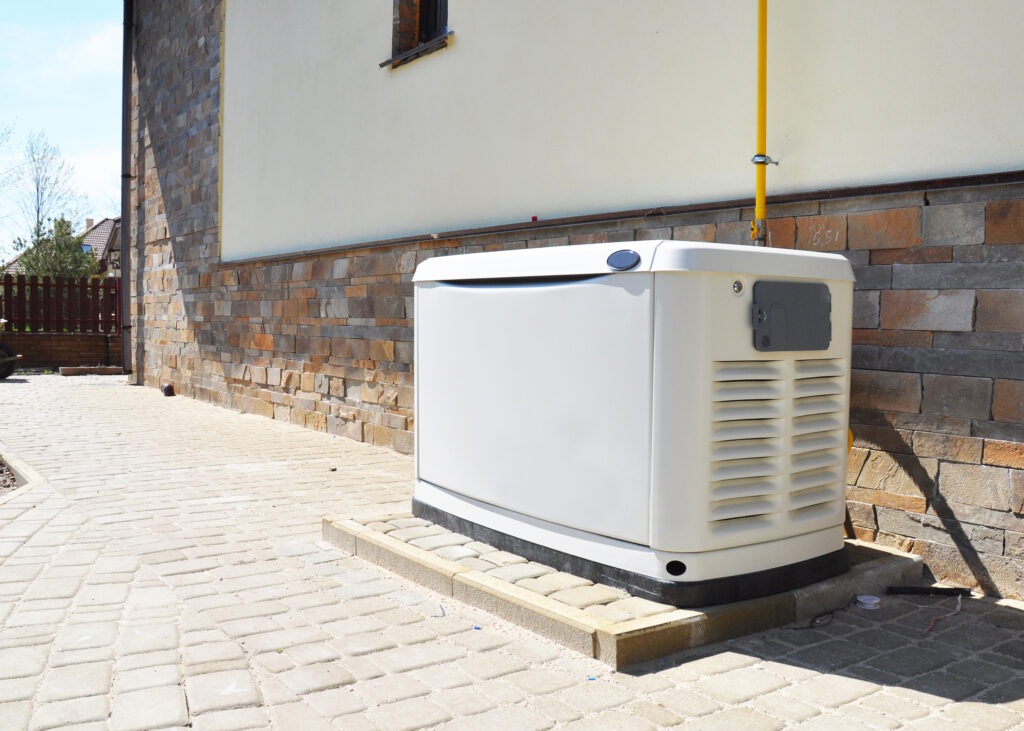
A generator should not sit wherever there is open space. It needs a location that supports proper operation and a safe distance from doors, windows, vents, and high-traffic areas. It also needs room for electrical connections, fuel supply access, and future service visits. A poor location can create avoidable problems such as restricted airflow, difficult maintenance, water exposure, or code-related concerns.
Homeowners in Dallas, Fort Worth, Haltom City, TX and surrounding areas often want a setup that protects the home without making the unit hard to reach or unsafe to use. That balance matters. A properly placed generator supports safe backup power and makes inspections, testing, and service work much easier later. This guide explains what makes one location better than another and what should be checked before installation begins.
Why Generator Placement Matters So Much
A residential generator is not just another outdoor appliance. It uses fuel, connects to the electrical system, creates heat during operation, and needs clear airflow to run properly. Placement affects all of those things.
A well-placed generator helps support:
- Safe airflow around the unit
- Proper clearance from openings into the home
- Easier access for maintenance and repair
- Better protection from standing water and drainage issues
- Cleaner connection to the electrical and fuel systems
- Less interference with walkways, patios, and everyday use of the property
A poor location can create service headaches and reduce the reliability of the backup system. It may also place the unit too close to places where exhaust should never collect. That is why professional planning matters before installation starts.
Distance From Doors, Windows, And Vents Comes First
One of the first placement concerns is the distance between the generator and any opening into the home. That includes:
- Doors
- Windows
- Crawl space openings
- Fresh air intakes
- Dryer vents
- Attic vents near the unit
The goal is simple. Exhaust from the generator should stay well away from indoor air pathways. The safest placement usually keeps the generator outside the main traffic pattern of the home while maintaining the required clearance from these openings.
This is one of the biggest reasons homeowners should avoid choosing a location based only on convenience. A side yard may look ideal at first glance, but it may not provide the right separation from windows or vents. A location closer to the electrical service may still be the wrong choice if it places the unit too close to an air path into the home.
Side Yard Placement Often Works Well
For many homes, the side yard becomes one of the strongest options for generator installation. This area often provides enough separation from outdoor gathering spaces while still giving technicians room to access the unit.
A side yard may work well because it can offer:
- Open space along the exterior wall
- Clear service access
- Reduced visual impact from the front of the home
- Shorter electrical connection runs in some layouts
- Better separation from patios and entertainment areas
That said, not every side yard works. Some are too narrow. Some collect water after rain. Others sit too close to windows or utility equipment that limits safe clearance. A side yard can be a strong option, but it still needs proper review before installation.
Backyard Placement Can Work, But It Needs Planning
Some homeowners prefer the backyard because it keeps the generator farther from the street and front-facing areas of the home. This can be a practical choice, especially on larger lots where there is enough open space.
Backyard placement can be beneficial when it provides:
- More distance from neighboring structures
- Lower visual impact from the front curb
- Better separation from garages and driveways
- More flexibility for service access paths
Backyard installation also creates a few challenges. The farther the unit sits from the electrical service or fuel supply, the more planning the installation may require. Long connection paths can complicate the project. Service access matters too. A generator should not end up boxed into a tight corner behind fencing, landscaping, or storage areas.
A backyard location works best when it provides both safe placement and a clean route for future maintenance.
Avoid Low Spots And Drainage Trouble Areas
A generator should sit on a stable, well-prepared base in an area that handles rainwater properly. Low spots in the yard can create serious long term problems. Water that collects around the unit can affect the pad, increase corrosion risk, and make service work more difficult.
Avoid placing a generator in:
- Low areas where water pools
- Spots directly beneath heavy roof runoff
- Areas near poor drainage lines
- Places where sprinkler systems soak the unit regularly
The best location supports both function and durability. A unit placed in the wrong drainage zone may work fine at first, then develop avoidable problems after repeated storms. In areas like Dallas, Fort Worth, and Haltom City where strong weather can hit hard, drainage planning matters much more than many homeowners expect.
Service Access Should Never Be An Afterthought
A generator needs space around it for inspection, testing, and repair. Even the best equipment still needs service access. Filters, covers, electrical connections, and fuel-related components must remain reachable without major obstacles.
A good installation location allows technicians to:
- Walk around the unit safely
- Open service panels fully
- Inspect connections and components
- Perform maintenance without removing fences or stored items
- Reach the generator without unsafe ladder or tight-corner access
This matters for the homeowner too. Routine generator support should feel manageable, not frustrating. A hard-to-reach generator often gets neglected, and that can reduce long term reliability. Proper placement helps the unit stay easier to test and maintain year after year.
Keep The Generator Out Of Busy Activity Areas
A generator should not interfere with the normal use of the property. It should not block a path that people use every day. It should not sit too close to a favorite seating area, cooking space, or pool deck without careful planning. Safe placement and practical use of the yard need to work together.
Avoid locations that interfere with:
- Main walkways
- Outdoor seating zones
- Patio dining areas
- Gate openings
- Yard equipment storage access
- Children’s play spaces
A residential generator supports the home best when it stays available but not intrusive. The goal is to give it a location that supports operation and maintenance without forcing the household to work around it every day.
Electrical And Fuel Connections Affect The Best Location
A generator does not work by itself. It needs a safe connection to the home’s electrical system and, depending on the setup, to a fuel source such as natural gas or propane. These connections can influence the best installation spot.
A good location often helps reduce:
- Unnecessarily long wiring paths
- Complicated routing around structures
- Fuel line obstacles
- Tight bends or difficult installation angles
- Extra exposure to yard activity or damage risk
That does not mean the generator should always sit as close as possible to the meter or panel. Safe placement still comes first. The best location balances electrical access, fuel access, clearance needs, drainage conditions, and future service access. A professional site review helps weigh all of those factors together.
Noise And Comfort Should Be Considered Too
Modern standby generators are far quieter than many homeowners expect, but they still create sound during operation and routine testing. Placement should consider how that sound affects both the household and nearby neighbors.
A smart location may help reduce sound impact by avoiding:
- Placement directly outside bedroom windows
- Tight corners that reflect noise back toward living areas
- Proximity to patios or quiet outdoor seating areas
- Spots close to neighboring windows or shared-use boundaries
The answer is not to hide the generator in an unsafe or cramped location just to reduce sound. The better solution is balanced planning. A location that supports safe airflow and proper distance while also respecting comfort usually creates the best outcome.
Landscaping Should Support, Not Obstruct
A generator should not disappear behind overgrown shrubs or decorative barriers that block service access and airflow. Landscaping can help the unit blend into the yard visually, but it should never interfere with safe operation.
Helpful landscaping ideas may include:
- Low plantings that do not crowd the unit
- Clear mulch or stone zones around the installation area
- Open visual screening placed at a safe distance
- Clean access paths for maintenance
The wrong landscaping can make service harder and reduce airflow around the generator. Any screening plan should respect the space the unit needs to operate properly.
HOA And Property Layout Questions May Affect Placement
Some homeowners also need to think about neighborhood rules, lot shape, fencing, and shared property lines. These details do not replace safety requirements, but they can affect where the installation works best.
Important questions may include:
- Is there enough side-yard width for safe clearance?
- Does fencing block service access?
- Will the unit interfere with gates or utility paths?
- Are there neighborhood appearance rules that affect visible placement?
These questions matter because the best location on paper may not work well once the real property layout gets involved. A site-specific review helps avoid rework and placement regret later.
The Best Generator Location Balances Safety, Access, And Practical Use
The best location for a residential generator is not always the closest one or the most hidden one. It is the one that supports safe operation, proper clearance, good drainage, easy service access, and practical use of the property.
A strong location usually does all of the following:
- Stays clear of doors, windows, and vents
- Allows proper airflow
- Avoids standing water and runoff trouble
- Gives technicians room to inspect and service the unit
- Supports safe electrical and fuel connections
- Stays out of major daily traffic areas
This kind of planning helps the generator stay dependable over the long term. It also helps the homeowner avoid future frustration with access, maintenance, and avoidable placement problems.
Frequently Asked Questions
Where is the best place to install a residential generator?
The best place is a safe outdoor location with proper clearance from doors, windows, vents, standing water, and daily traffic areas.
Can a generator go in the backyard?
Yes, a backyard can work well if it provides safe clearance, good drainage, and enough room for service access.
Why should a generator stay away from windows and doors?
That separation helps keep exhaust away from openings where air can move into the home.
Does generator placement affect maintenance?
Yes. A hard-to-reach generator is much harder to inspect, test, and service properly over time.
Can landscaping be placed around a generator?
Yes, but plants and barriers should never block airflow or service access around the unit.
A residential generator can protect a home during outages, but that protection depends on more than the equipment itself. Placement matters from day one. A safe and accessible location helps the system run more reliably, makes maintenance easier, and supports long term performance in all kinds of weather.
The best installation locations often come from a balance of clearance, drainage, comfort, utility access, and practical yard use. A location that looks convenient at first may create service and safety problems later. A properly planned location helps avoid that and gives the generator the support it needs to do its job well.
Tarrant Electric installs residential generators with safety and long term access in mind. Call 817-428-4404 for service in Dallas, Fort Worth, and Haltom City, TX.