


Ceiling Fan Placement Strategies for Large Rooms and High Ceilings
Large rooms and homes with high ceilings offer beautiful open spaces, but they can also create challenges for maintaining comfortable airflow. Many homeowners install ceiling fans to improve air circulation, reduce indoor temperature imbalance, and support their heating and cooling systems. A ceiling fan works best when installed in the correct location and at the proper height. Placement plays a major role in how well the fan moves air across the room.
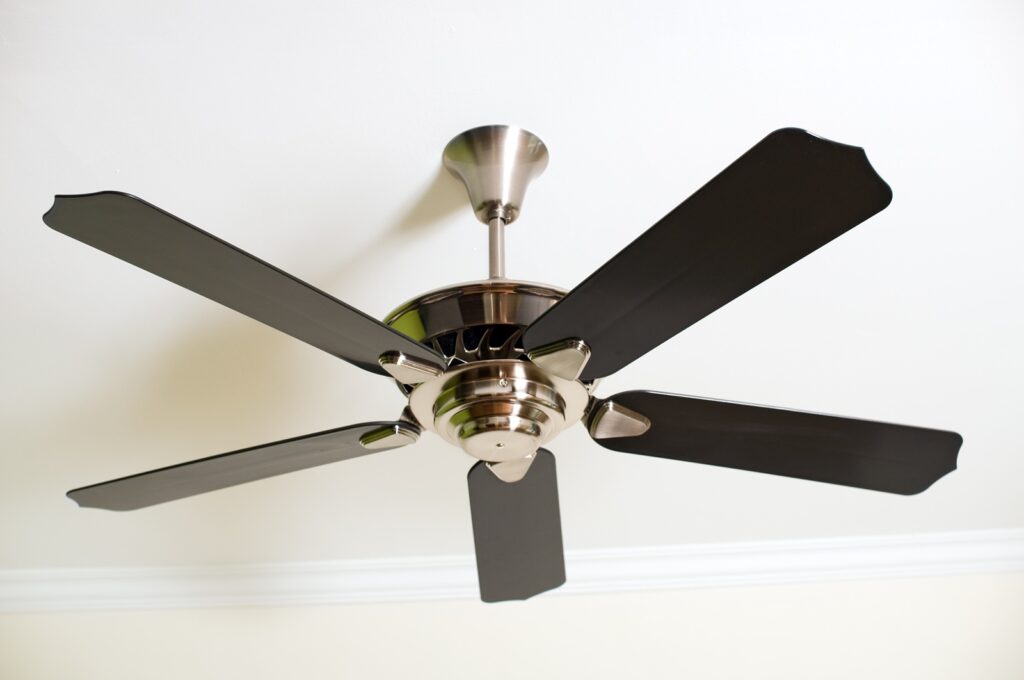
Proper ceiling fan placement helps eliminate hot spots, improves comfort, and supports energy efficiency. Large living rooms, great rooms, vaulted ceilings, and open floor plans require thoughtful fan positioning so the airflow reaches the areas where people spend time. Professional electricians often help homeowners determine the best location for fans, especially when dealing with high ceilings or oversized spaces. Understanding a few key placement strategies can help homeowners get the most value and comfort from their ceiling fan installation.
Why Ceiling Fan Placement Matters
Ceiling fans move air downward or upward depending on the direction of the blades. When placed correctly, they help distribute air evenly across the room. Incorrect placement may cause uneven airflow or leave parts of the room feeling stagnant.
Large rooms often have multiple seating areas, dining sections, or open pathways connecting to other rooms. A single fan placed in the wrong location may fail to move air across the entire space. High ceilings also affect airflow because warm air tends to rise while cooler air stays lower in the room.
Strategic placement ensures that airflow reaches the areas where people gather. The goal is to create consistent circulation throughout the space rather than concentrating airflow in one corner of the room.
Determining the Center of the Room
The center of the room usually provides the best starting point for ceiling fan placement. In large open rooms, the central location allows the fan to distribute air evenly in every direction. This position also helps balance the airflow across the entire living area.
Rooms that contain multiple zones may require slight adjustments from the exact center. For example, a living room with a seating area near one side may benefit from placing the fan closer to that gathering space.
Electricians also consider the room’s shape when determining placement. Rectangular rooms may require the fan to sit slightly off center so airflow reaches both ends effectively. Proper placement helps prevent areas where air feels still or warm.
Installing Ceiling Fans in Rooms With High Ceilings
High ceilings create additional airflow challenges. Warm air rises toward the ceiling while cooler air remains lower in the room. Without proper circulation, temperature differences may develop between the ceiling and the living area.
Ceiling fans installed on high ceilings often require downrods. A downrod lowers the fan so the blades sit at an effective height for circulating air. When a fan remains too close to the ceiling, it struggles to move air throughout the space.
Lowering the fan allows airflow to reach the areas where people sit or walk. Electricians determine the appropriate downrod length based on ceiling height and room dimensions. This approach ensures that the fan operates efficiently while maintaining safe clearance.
Using Multiple Fans in Very Large Spaces
Some large rooms benefit from installing more than one ceiling fan. Oversized living rooms, open concept homes, and great rooms often require multiple fans to maintain balanced airflow.
Spacing fans properly prevents airflow from competing or overlapping excessively. Electricians typically place multiple fans several feet apart so each unit circulates air in its designated area. This arrangement helps distribute air across the entire room.
Multiple fans also help reduce strain on heating and cooling systems. Even airflow keeps temperatures consistent throughout the space, which improves comfort and reduces energy usage.
Ceiling Fan Placement in Open Floor Plans
Open floor plans create unique airflow patterns because large areas connect without walls or barriers. Air moves freely between the kitchen, dining area, and living room. Ceiling fans placed strategically can help maintain comfortable airflow across these connected spaces.
Placing fans above main gathering areas works well in open layouts. The seating area in a living room often serves as the focal point for airflow. Additional fans may serve nearby dining or kitchen spaces.
Electricians evaluate the layout carefully before installing fans in open areas. The goal involves maintaining airflow without creating excessive drafts in one part of the space.
Considering Furniture Layout and Activity Areas
Furniture placement plays an important role in ceiling fan positioning. Fans should move air across the areas where people spend time rather than empty corners of the room. Living rooms often center around sofas, coffee tables, and entertainment areas. Installing the fan above this gathering zone allows air circulation where people relax.
Dining rooms may benefit from a fan centered above the table. Bedrooms often require fans positioned above the bed area to create comfortable airflow while sleeping. Thoughtful placement ensures that airflow reaches the most important parts of the room rather than circulating air where it serves little purpose.
Maintaining Safe Clearance Around the Fan
Safety remains a key factor when installing ceiling fans. Electricians ensure that blades maintain adequate clearance from walls, ceilings, and nearby objects. Fan blades should sit several feet away from walls so they can move air freely. Adequate clearance also prevents damage to the blades or surrounding surfaces.
High ceilings require additional attention because longer downrods bring the fan lower into the room. Electricians calculate safe mounting height so the fan operates safely while maintaining proper airflow. Maintaining safe clearance protects both the fan and the home while allowing the fan to operate efficiently.
Matching Fan Size to Room Dimensions
Fan size influences how effectively the unit circulates air. Small fans may struggle to move air in large rooms, while oversized fans may create excessive airflow in smaller spaces. Large rooms and high ceilings often require fans with longer blades. These larger blades move greater volumes of air and help maintain comfort across wide spaces.
Electricians help homeowners choose fan sizes that match the dimensions of the room. Proper sizing works together with strategic placement to maximize airflow.
Working With Professional Electricians for Installation
Ceiling fan installation may appear simple, but proper placement requires experience and careful planning. Electricians evaluate electrical boxes, ceiling structure, and wiring before installing a fan.
Professionals ensure that the ceiling box supports the weight and movement of the fan. They also install proper mounting hardware to prevent wobbling or noise.
Electricians can also help determine the best placement for fans in complex spaces such as vaulted ceilings or open floor plans. Professional installation ensures that the fan operates safely and effectively for years.
Improving Comfort Throughout the Year
Ceiling fans help maintain comfort during both warm and cool seasons. During warmer months, fans push air downward to create a cooling effect. In cooler months, reversing the fan direction helps circulate warm air trapped near the ceiling.
Strategic placement ensures that this airflow reaches the areas where people live and work. Large rooms benefit greatly from well placed fans that maintain consistent temperatures across the space.
Ceiling fans support heating and cooling systems by improving air distribution. Homeowners often notice more balanced temperatures and improved comfort after installing fans in large spaces.
Proper placement combined with professional installation allows ceiling fans to perform at their best. Homes with large rooms or high ceilings benefit greatly from thoughtful fan positioning that improves airflow and comfort.
FAQs
How high should a ceiling fan be installed in a room with high ceilings?
Electricians typically install ceiling fans so the blades sit about eight to nine feet above the floor for effective airflow.
Can large rooms require more than one ceiling fan?
Yes. Very large spaces often benefit from multiple fans spaced apart to circulate air evenly.
What is the best location for a ceiling fan in a living room?
Many homeowners install ceiling fans near the center of the main seating area to improve airflow where people gather.
Do ceiling fans help with heating and cooling efficiency?
Yes. Ceiling fans help distribute air evenly, which supports heating and cooling systems.
Should electricians install ceiling fans in rooms with high ceilings?
Professional electricians ensure safe mounting, proper wiring, and correct placement for optimal performance.
Need professional ceiling fan installation in Dallas, Fort Worth, Haltom City, TX and Surrounding Areas? Call Tarrant Electric at 817-428-4404 today.