


Common Electrical Repair Issues Found During Property Inspections
Property inspections often reveal electrical problems that many owners never notice during daily use. Lights turn on, outlets work, and everything may seem fine on the surface. Hidden electrical issues can still exist behind walls, inside panels, and within circuits. Inspectors frequently uncover problems that affect safety, reliability, and long term system performance.
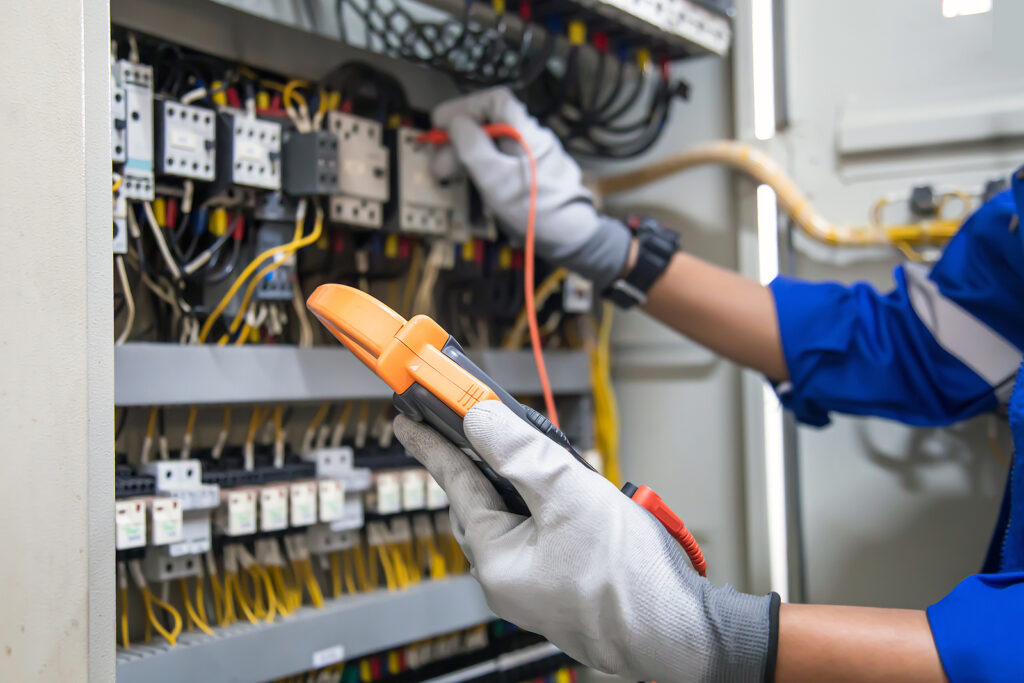
Homes and commercial buildings across Dallas, Fort Worth, Haltom City, TX and surrounding areas share many of the same electrical repair concerns. Some problems develop slowly as systems age. Others appear after renovations, weather exposure, or increased power demands. Understanding what inspectors commonly find helps property owners address concerns early and avoid serious hazards.
This guide explains the most frequent electrical repair issues discovered during inspections and why timely repairs protect both property and occupants.
Outdated Electrical Panels
Electrical panels serve as the control center of any building’s electrical system. Many older properties still operate with panels designed decades ago. These panels often struggle to support modern appliances, electronics, and HVAC equipment. Inspectors regularly flag outdated panels because they present safety and performance risks.
Warning signs include breakers that trip frequently, panels that feel warm, or visible rust and wear. Older panels may also lack the capacity required for today’s electrical loads. Limited capacity forces circuits to work harder than intended, which increases overheating risks. Panel upgrades or targeted repairs restore proper load management and reduce stress on wiring throughout the property.
Improper Wiring Connections
Loose or poorly installed wiring connections represent one of the most common inspection findings. Electrical systems rely on secure, stable connections to deliver power safely. Small connection failures can create serious problems over time.
Inspectors often discover loose terminals, exposed splices, or unsafe junctions hidden inside walls or ceilings. These issues may cause flickering lights, intermittent power loss, or unusual buzzing sounds. Poor connections generate heat, which increases the risk of electrical fires.
Professional repairs focus on securing connections, correcting unsafe splices, and verifying proper grounding to ensure stable system operation.
Overloaded Circuits
Modern properties consume far more electricity than older systems originally supported. Kitchens, offices, entertainment areas, and workspaces frequently push circuits beyond safe limits. Inspectors regularly identify overloaded circuits during evaluations.
Common clues include warm outlets, dimming lights when appliances activate, or breakers that trip repeatedly. Overloaded circuits strain wiring and protective devices. Continued stress can damage insulation and increase fire hazards. Circuit upgrades or redistribution of electrical loads help balance demand and improve system reliability.
Damaged or Deteriorating Wiring
Electrical wiring deteriorates over time due to age, environmental conditions, and mechanical stress. Inspections often reveal cracked insulation, frayed conductors, or wiring damaged by pests or previous work.
Damaged wiring can remain hidden for years before symptoms appear. Property owners may notice burning odors, discolored outlets, or unexplained power interruptions. Exposed or degraded conductors create shock and fire risks. Targeted wiring repairs or replacements restore electrical integrity and prevent escalating safety concerns.
Faulty Outlets and Switches
Outlets and switches experience constant use, making them frequent sources of inspection findings. Wear, loose internal contacts, and outdated designs often lead to performance issues.
Inspectors commonly find outlets that no longer hold plugs securely, switches that feel loose, or devices showing discoloration. These problems may signal overheating or internal damage. Faulty outlets can also indicate deeper wiring concerns.
Replacing worn devices improves safety while ensuring stable electrical connections for everyday use.
Missing or Inadequate Grounding
Grounding plays a critical role in electrical safety. Proper grounding protects people and equipment by directing excess electrical energy safely into the earth. Inspections frequently uncover grounding deficiencies in both older and renovated properties.
Signs of grounding problems include two prong outlets, inconsistent equipment behavior, or recurring electrical shocks. Inadequate grounding increases the risk of damage during surges or faults. Corrective repairs ensure grounding systems meet modern safety standards and provide reliable protection.
GFCI and AFCI Protection Issues
Ground fault and arc fault protection devices help prevent shocks and electrical fires. Inspectors regularly evaluate these safety components to verify proper operation.
Common findings include missing protection in required areas, nonfunctioning devices, or improper installation. Bathrooms, kitchens, garages, and outdoor areas often require GFCI protection. Bedrooms and living spaces may require AFCI protection depending on system design. Updating or repairing these devices strengthens electrical safety throughout the property.
Outdoor Electrical Problems
Exterior electrical components face constant exposure to moisture, temperature changes, and physical wear. Property inspections often reveal damaged outdoor outlets, fixtures, or wiring.
Common concerns include water intrusion, corroded connections, and loose enclosures. These issues may cause flickering lights, tripping breakers, or complete fixture failure. Moisture exposure significantly increases safety risks. Weather resistant repairs and proper sealing protect outdoor systems and extend equipment lifespan.
Signs of DIY Electrical Work
Inspectors frequently encounter electrical modifications completed without professional oversight. DIY repairs often create hidden hazards that only become visible during inspections.
Common red flags include mismatched wire types, overcrowded junction boxes, missing covers, or unconventional splices. Improper repairs compromise system safety and reliability. Licensed electricians correct unsafe work and restore compliance with electrical safety practices.
Why Inspection Findings Should Never Be Ignored
Inspection reports provide valuable insight into a property’s electrical condition. Minor electrical concerns can escalate quickly when left unresolved. Early repairs prevent larger system failures and safety hazards.
Electrical problems rarely fix themselves. Prompt action protects occupants, preserves equipment, and reduces long term repair needs. Professional evaluations ensure accurate diagnosis and safe solutions.
Frequently Asked Questions
Why do inspections uncover electrical problems in working systems?
Many electrical issues remain hidden behind walls or inside panels. Systems may function while still containing safety risks.
Are minor electrical issues truly dangerous?
Small problems such as loose wiring or damaged outlets can create heat buildup and fire hazards over time.
Should electrical repairs wait until problems worsen?
Early repairs reduce risk and prevent more complex damage to circuits and equipment.
Can older properties safely support modern electrical loads?
Older systems often require upgrades or repairs to handle current power demands safely.
Who should perform electrical repairs after an inspection?
Licensed electricians provide safe, code compliant repairs that address root causes rather than symptoms.
Electrical problems found during inspections deserve immediate attention to protect your property and safety. Tarrant Electric delivers reliable electrical repair services across Dallas, Fort Worth, Haltom City, TX and surrounding areas. Call 817-428-4404 today to schedule professional service.