


Signs Your Existing Fixtures Are Ideal Candidates for LED Retrofitting
Many homes and commercial properties still rely on lighting fixtures installed years ago. Those fixtures may still work, but performance, efficiency, and reliability often fall behind modern standards. LED retrofitting allows property owners to upgrade lighting performance without replacing entire fixtures. The challenge lies in knowing whether existing fixtures truly qualify for a retrofit.
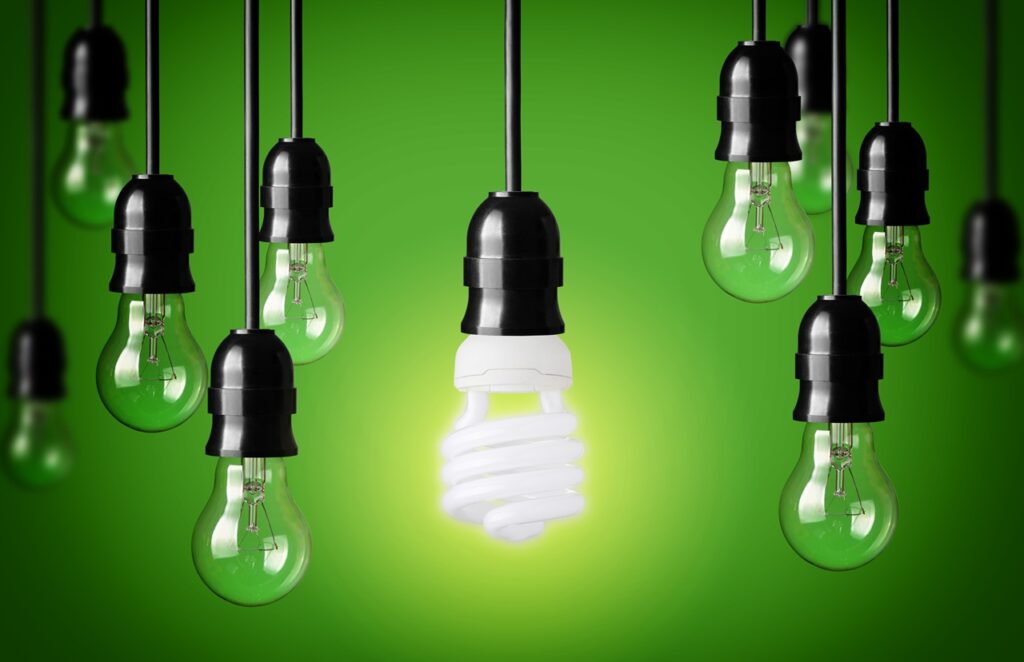
LED retrofitting works best when fixtures show specific signs related to age, performance, and electrical compatibility. Spotting those signs early helps reduce maintenance issues, improve lighting quality, and support long term electrical reliability. Property owners across Dallas, Fort Worth, Haltom City, TX and surrounding areas often discover that their current fixtures already meet the requirements for a retrofit without major electrical changes.
This guide explains the most common indicators that existing lighting fixtures qualify for LED retrofitting and why addressing those signs improves daily comfort, safety, and reliability.
Fixtures Use Fluorescent or HID Lamps
Fixtures that rely on fluorescent tubes or high intensity discharge lamps often make strong candidates for LED retrofits. These lighting types require ballasts or external components that wear out over time. Flickering, slow startup, uneven brightness, or humming sounds often appear as those systems age.
LED retrofit kits often bypass or remove aging ballasts and replace outdated lamp technology with solid state lighting. Properties that rely on T12 or T8 fluorescent fixtures frequently experience reduced efficiency and maintenance challenges. LED retrofitting modernizes those fixtures while maintaining the existing housing and layout.
Commercial spaces, garages, warehouses, offices, and older residential properties often contain fluorescent or HID fixtures that already meet retrofit requirements.
Lighting Takes Time to Reach Full Brightness
Delayed brightness serves as a strong indicator that fixtures qualify for LED retrofitting. Older fluorescent and HID systems often require warm up time before reaching full output. During that delay, spaces remain dim, unevenly lit, or uncomfortable.
LED lighting reaches full brightness immediately after activation. Spaces that feel dark at startup often have outdated lighting technology rather than electrical supply issues. Retrofitting allows fixtures to deliver consistent light output from the moment switches activate.
Areas such as parking structures, hallways, storage rooms, stairwells, and commercial workspaces benefit greatly from instant brightness and improved visibility.
Frequent Lamp or Ballast Replacements
Fixtures that require frequent lamp changes or ballast replacements often signal retrofit readiness. Constant maintenance points to aging components and declining system reliability. Maintenance costs increase while lighting performance continues to drop.
LED retrofitting removes many failure points found in traditional lighting systems. LEDs contain fewer components that wear down over time. Reduced maintenance demands support long term cost control and operational consistency.
Property owners often notice that lamp replacement frequency drops significantly after retrofitting existing fixtures. Maintenance teams spend less time addressing lighting issues and more time focusing on other facility needs.
Fixtures Produce Excess Heat
Older lighting technologies generate significant heat during operation. Excess heat affects comfort, especially in enclosed spaces. That heat also places stress on fixture components, wiring connections, and surrounding materials.
LED lighting produces far less heat while delivering equal or better brightness. Fixtures that feel warm to the touch after short operation periods often qualify for LED retrofitting. Reducing heat output helps protect electrical connections and supports indoor comfort. Commercial kitchens, offices, retail spaces, and residential living areas often benefit from cooler lighting operation after retrofitting.
Inconsistent Light Output or Flickering
Uneven light output often signals electrical inefficiency within older fixtures. Flickering, dim sections, or inconsistent color tone usually result from failing ballasts or aging lamps. These issues affect comfort, safety, and productivity.
LED retrofitting stabilizes light output and removes flicker caused by deteriorating components. Consistent lighting improves visibility and reduces eye strain in work environments. Fixtures that flicker even after lamp replacement almost always qualify for retrofitting rather than continued repair attempts.
Fixture Housings Remain Structurally Sound
Retrofit suitability depends heavily on fixture housing condition. Many older fixtures still maintain strong structural integrity even if internal components fail. Solid housings provide excellent foundations for LED retrofit kits.
Signs of retrofit readiness include intact mounting points, undamaged housings, and stable installation surfaces. Cosmetic wear does not disqualify fixtures as long as the structure remains secure. LED retrofitting preserves existing housings while updating internal performance, making it a practical solution for many properties.
Electrical Infrastructure Supports Modern Loads
LED lighting draws less power than traditional systems. Fixtures connected to circuits that already handle fluorescent or HID loads usually support LED retrofits easily. Electrical panels and wiring experience reduced strain after retrofitting.
Properties that struggle with frequent breaker trips or voltage drops often benefit from reduced electrical demand after LED installation. Lower wattage helps balance loads and improve system reliability. An electrical evaluation confirms compatibility and ensures safe retrofit installation.
Lighting Layout Meets Current Needs
Fixtures positioned correctly but underperforming often qualify for LED retrofitting. Many spaces maintain effective lighting layouts but rely on outdated light sources. Retrofitting enhances performance without redesigning the layout.
Offices, warehouses, parking garages, and residential spaces often benefit from improved brightness while keeping existing fixture locations intact. LED retrofitting upgrades output quality without altering the intended lighting design.
Rising Maintenance Complaints From Occupants
Repeated complaints about dim lighting, eye strain, glare, or inconsistent brightness often signal retrofit readiness. Occupants notice the lighting quality long before the equipment fails.
LED retrofitting improves comfort, color clarity, and uniformity. Better lighting supports productivity, safety, and overall satisfaction. Facilities managers often choose retrofitting after receiving ongoing feedback related to lighting performance issues.
Existing Fixtures Meet Retrofit Safety Standards
Fixtures that comply with mounting, spacing, and electrical safety standards often qualify for LED retrofitting without extensive modification. Licensed electricians verify grounding, wiring condition, and enclosure safety before proceeding.
Retrofit installations focus on improving performance while maintaining compliance with electrical codes and safety practices.
Common Problems LED Retrofitting Solves in This Area
Property owners in Dallas, Fort Worth, Haltom City, TX and surrounding areas often face lighting challenges tied to aging fixtures. LED retrofitting addresses issues such as:
- Frequent lamp burnout in commercial buildings
- Flickering fluorescent lights in offices and schools
- Excessive heat from older lighting systems
- Poor visibility in garages, stairwells, and hallways
- Rising maintenance demands are tied to outdated fixtures
LED retrofitting provides a practical solution for these recurring problems.
Frequently Asked Questions
Can LED retrofitting work with my existing fixtures?
Most fluorescent and HID fixtures support LED retrofitting if the housing and wiring remain in good condition.
Does retrofitting require replacing the entire fixture?
Retrofit kits upgrade internal components while keeping existing housings, which reduces installation disruption.
Will LED retrofitting reduce maintenance needs?
LED systems last longer and eliminate many components that fail frequently in older lighting systems.
Does LED retrofitting affect electrical panels?
Lower power demand often reduces stress on electrical panels and circuits.
Should a licensed electrician handle LED retrofitting?
Licensed electricians ensure safe installation, proper wiring, and code compliance.
Upgrade outdated lighting with expert LED retrofitting from Tarrant Electric. Call 817-428-4404 for professional service across Dallas, Fort Worth, Haltom City and surrounding areas.