


Electrical Inspections for Commercial Buildings and Liability Reduction
Commercial buildings depend on electricity to keep daily operations running, protect occupants, and support critical equipment. Electrical systems work quietly in the background, yet small issues inside panels, wiring, or outlets can create serious legal and safety risks. Electrical inspections help business owners identify these risks early and reduce liability before problems turn into injuries, property damage, or legal claims.
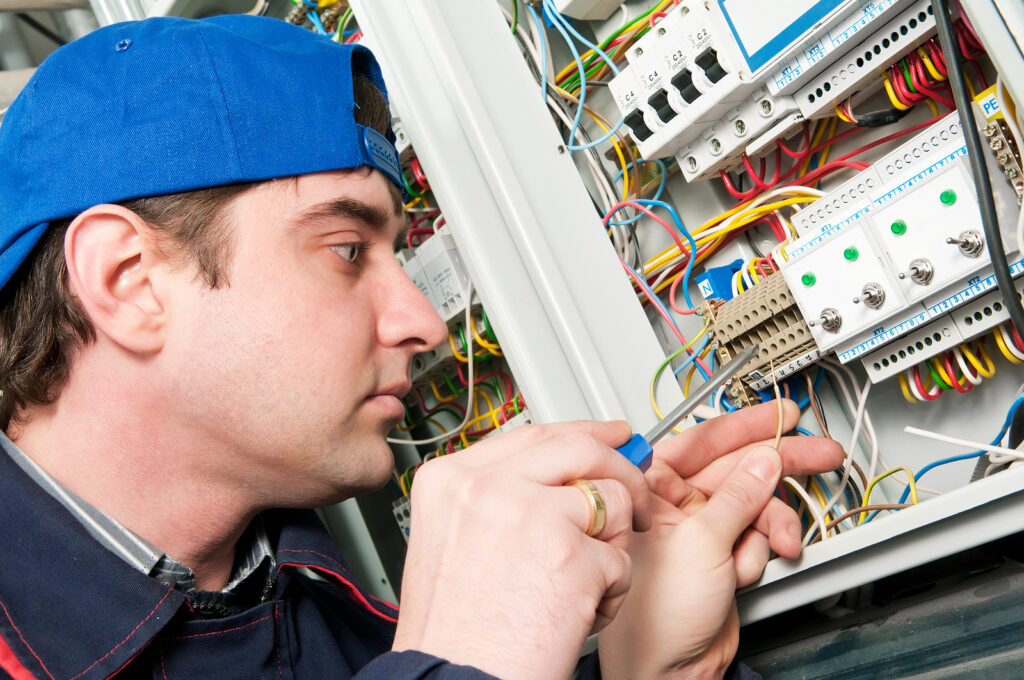
Many commercial property owners focus on visible maintenance like HVAC, roofing, or plumbing, while electrical systems receive attention only after something fails. Electrical inspections provide a proactive approach that protects employees, customers, and tenants while helping owners meet safety responsibilities. A well-documented inspection also shows due diligence, which plays a major role in liability reduction.
This guide explains how electrical inspections protect commercial buildings, reduce risk exposure, and support safer long-term operations for businesses across Dallas, Fort Worth, Haltom City, TX and surrounding areas.
How Electrical Inspections Reduce Legal Risk for Business Owners
Business owners carry legal responsibility for providing a safe environment. Electrical hazards often lead to injury claims, insurance disputes, and costly lawsuits. Electrical inspections reduce these risks by identifying unsafe conditions before accidents occur.
Inspectors check panels, wiring, grounding, outlets, lighting systems, and load capacity. Loose connections, overheated breakers, and improper wiring create fire and shock risks that can result in employee injuries or customer harm. Addressing these issues early lowers the chance of incidents that trigger legal action.
Inspection reports also serve as written proof of maintenance efforts. Documentation shows insurers, regulators, and attorneys that the business took reasonable steps to maintain electrical safety. This record can make a significant difference during claims or legal disputes. Electrical inspections help businesses move from reactive repairs to responsible risk management.
Common Electrical Hazards Found in Commercial Properties
Commercial buildings face unique electrical challenges due to higher power demands and extended operating hours. Inspections often uncover issues that remain hidden during daily operations.
Common hazards include overloaded circuits from added equipment, outdated panels that cannot handle modern loads, and damaged wiring caused by vibration or heat. Poor grounding increases shock risk, while improper lighting installations can create fire hazards.
Temporary wiring left in place after renovations also causes problems. Extension cords, power strips, and makeshift connections create unsafe conditions when used long-term. Electrical inspections catch these problems early, allowing corrective action before they affect safety, insurance coverage, or business continuity.
Electrical Inspections and Fire Prevention in Commercial Buildings
Electrical fires account for a large number of commercial property losses each year. Faulty wiring, loose connections, and overheated components often cause these fires.
Inspections focus on high-risk areas such as electrical panels, distribution boards, and equipment connections. Inspectors look for signs of overheating, corrosion, improper breaker sizing, and insulation damage.
Lighting systems and emergency lighting circuits also receive attention since failures in these systems can create hazards during evacuations. Fire prevention depends on early detection, and inspections provide that layer of protection. A single inspection can prevent losses that far exceed the cost of corrective work, making inspections a powerful fire prevention tool.
The Role of Electrical Inspections in Insurance Compliance
Insurance providers expect commercial buildings to meet safety standards. Electrical inspections help businesses maintain compliance and avoid claim disputes.
Insurers often request inspection reports following fires, injuries, or equipment damage. Missing documentation can complicate claims or reduce coverage. Electrical inspections demonstrate responsible maintenance and reduce the chance of denied claims.
Some insurers also recommend inspections during policy renewals or after property upgrades. Staying ahead of these expectations protects coverage and reduces premium-related disputes. Electrical inspections align safety with financial protection, making them a smart investment for long-term business stability.
Inspections During Renovations and Equipment Upgrades
Commercial spaces evolve as businesses grow. Renovations, equipment additions, and layout changes place new demands on electrical systems.
Electrical inspections verify that existing wiring and panels can support these changes. Inspectors evaluate load capacity, circuit balance, and grounding to ensure safe operation.
Skipping inspections during upgrades often leads to overloaded circuits, nuisance tripping, or hidden hazards. These issues increase liability risk once employees or customers occupy the space. Electrical inspections help businesses expand safely while avoiding future disruptions or compliance issues.
Tenant Safety and Shared Liability in Commercial Properties
Multi-tenant commercial buildings introduce shared liability between property owners and occupants. Electrical problems in common areas or shared systems affect everyone.
Inspections help property owners maintain safe infrastructure while reducing disputes with tenants. Lighting, emergency systems, and shared panels require proper inspection to ensure consistent safety.
Clear inspection records support transparent communication with tenants and show commitment to building safety. This approach reduces conflicts and strengthens long-term tenant relationships. Electrical inspections protect both owners and occupants from avoidable risks.
Why Scheduled Electrical Inspections Outperform Emergency Repairs
Emergency electrical repairs disrupt operations and expose businesses to risk. Scheduled inspections prevent emergencies by identifying problems early.
Inspections allow planned repairs during off-hours, reducing downtime and avoiding costly disruptions. This proactive approach also supports budgeting and maintenance planning.
Electrical systems rarely fail without warning. Inspections catch early signs and allow businesses to act before safety becomes compromised. Preventive inspections protect operations, reputation, and liability exposure more effectively than reactive repairs.
Problems Commercial Buildings Face That Electrical Inspections Solve
Electrical inspections address many challenges businesses encounter during daily operations.
- Overloaded circuits from added equipment
- Outdated panels are unable to support modern demands
- Loose wiring that increases fire and shock risk
- Inadequate grounding that affects safety and equipment
- Emergency lighting failures that compromise evacuation safety
- Code compliance gaps after renovations or tenant changes
Regular inspections reduce these risks while improving reliability and safety.
About Electrical Inspections in Dallas, Fort Worth, Haltom City and Surrounding Areas
Commercial buildings across Dallas, Fort Worth, Haltom City, TX and surrounding areas face increasing electrical demands due to growth, technology use, and extended operating hours. Electrical inspections help businesses maintain safe systems that meet modern standards while protecting occupants and property.
FAQs About Commercial Electrical Inspections
How often should commercial buildings schedule electrical inspections?
Most commercial properties benefit from inspections every one to three years, depending on usage, equipment load, and building age.
Do inspections disrupt daily business operations?
Inspections typically cause minimal disruption and can be scheduled during low activity periods.
Can inspections help with code compliance?
Yes, inspections identify compliance gaps and support corrective planning.
Do inspections cover emergency lighting systems?
Yes, inspectors evaluate emergency lighting, exit signs, and backup circuits.
Do inspections reduce insurance risks?
Yes, documented inspections demonstrate responsible maintenance and support insurance claims.
Protect your commercial property with professional electrical inspections from Tarrant Electric. Call 817-428-4404 to schedule service across Dallas, Fort Worth, Haltom City, TX and surrounding areas.